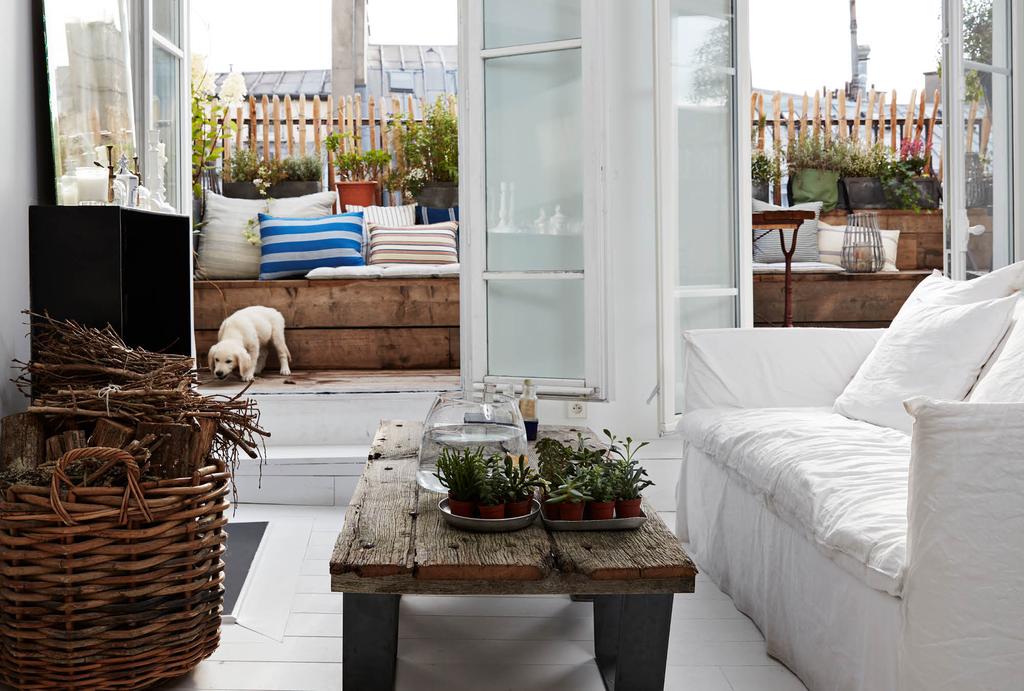
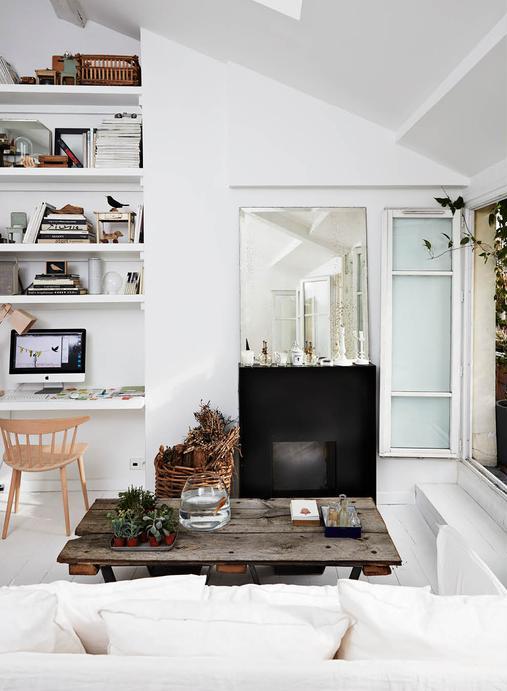
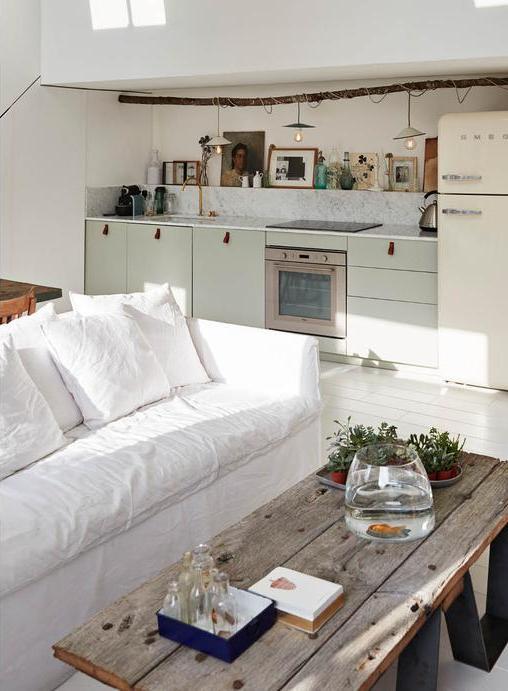
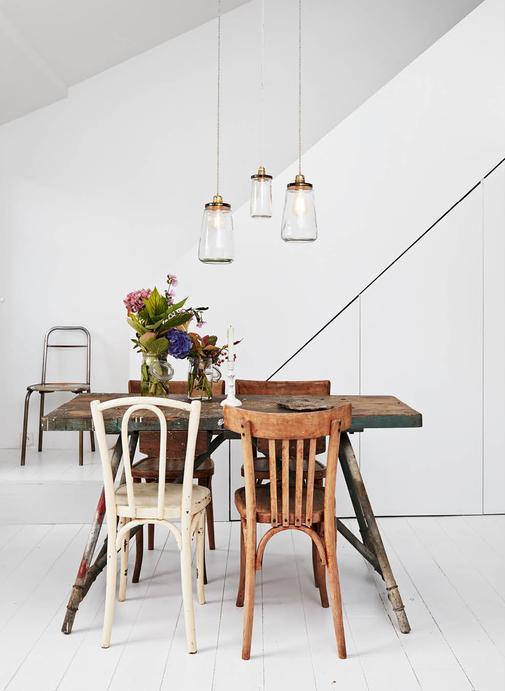
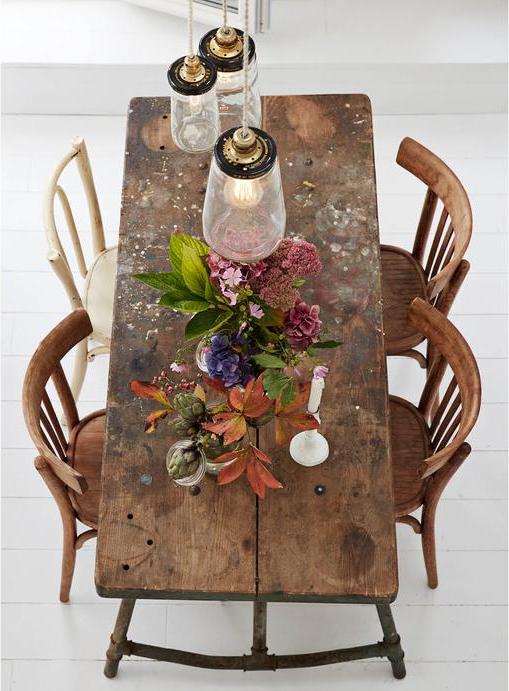
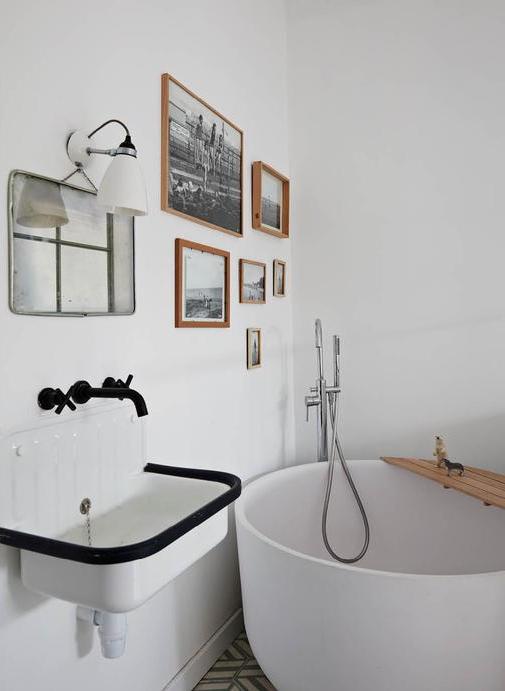
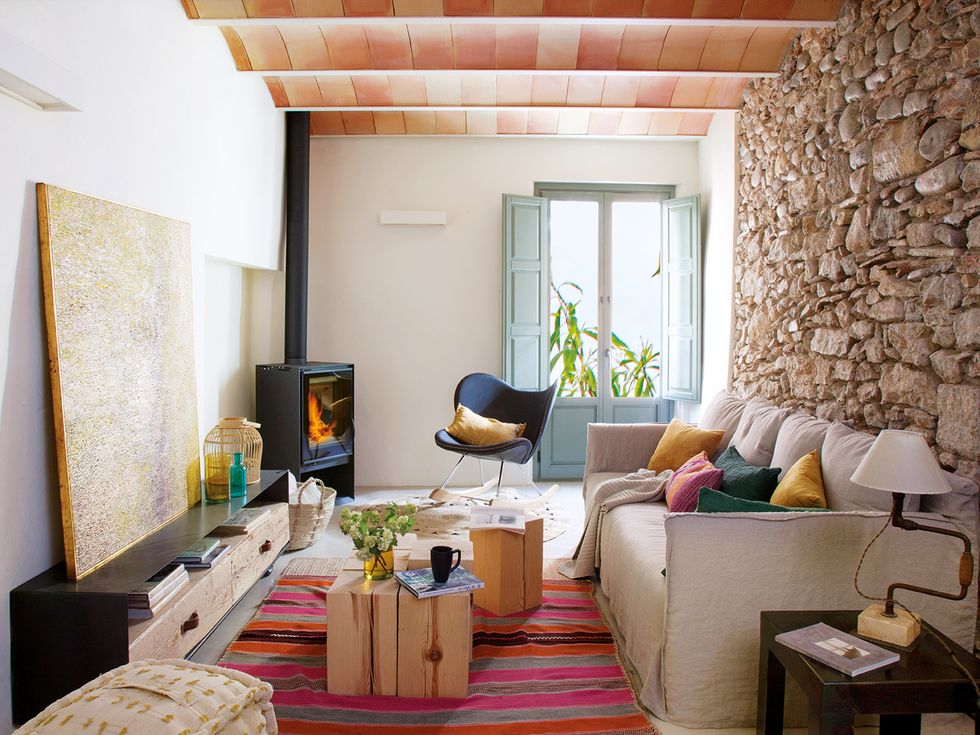
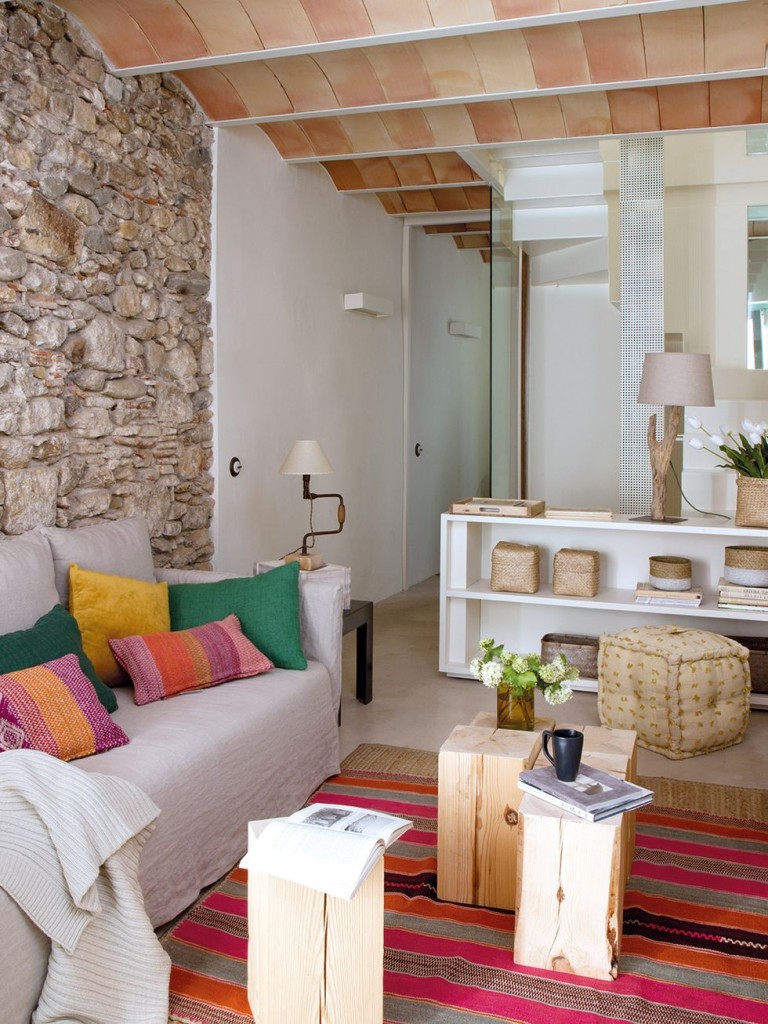
design elements

10
Nov

Delicious

categories Kitchen     comments 1 comment

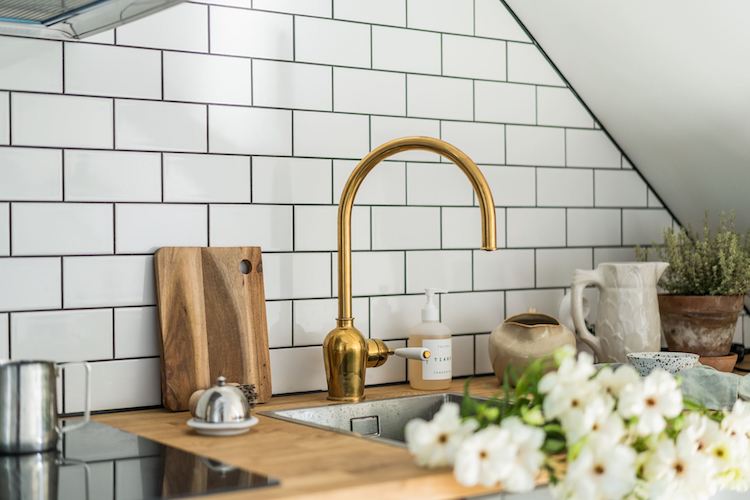
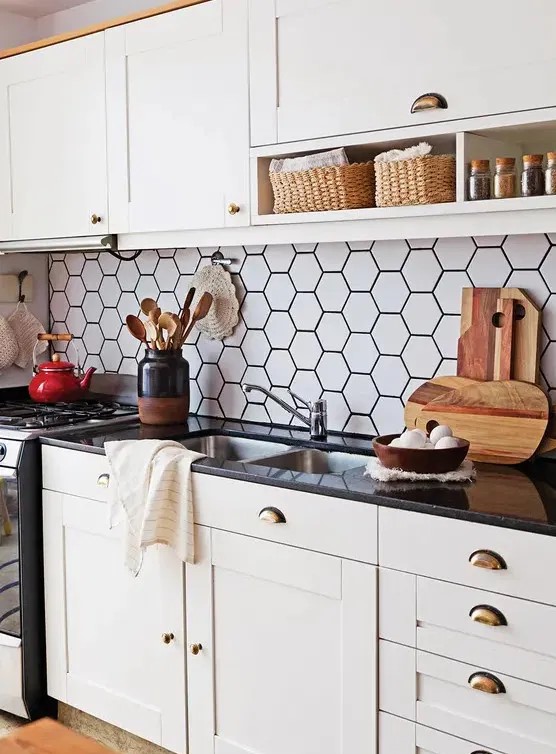
leijh kappelhoff seckel van den doppelsteen architecten via cabbage rose

7
Nov

My Article in Nash Dom

categories Magazines     comments 11 comments

Ein Artikel von mir wurde gestern in der November Ausgabe der bulgarischen Wohn-Zeitschrift Nasch Dom veröffentlicht. Es geht um ein Strandhaus in Malibu, Interior Design: Jamie Bush. Hier sind einige Fotos – alle durch das Objektiv meines iPhones. Im Hintergrund ist das Antike Theater – einer der beeindruckendsten Bauten aus römischer Zeit in Plovdiv.

Through the lens of my iPhone: my article about the Malibu home designed by Jamie Bush. It was published yesterday in the November issue of the Bulgarian design magazine Nash Dom. Below are some photos. In the background: The Ancient Theatre of Plovdiv built in the 2nd century A.D.

via my iPhone

6
Nov

Interview with Billie Tsien

categories Architecture, Designer, Interviews     comments 1 comment

”The most important design elements? Listening, curiosity, optimism.

Billie Tsien

photo: vimeo

It’s my pleasure to welcome architect Billie Tsien of the husband-and-wife architectural firm in New York Tod Williams Billie Tsien Architects. Her recent work with Tod Williams includes a new museum for the Barnes Foundation in Philadelphia, a performing and visual arts center at the University in Chicago, the Asia Society headquarters in Hong Kong, an information technology campus in Mumbai, India. Monumental buildings, composed of powerful materials used with great sensitivity. Numerous prizes, including multiple recognitions from the AIA, Brunner Award and Chrysler Award for Design Innovation. Billie Tsien sees “architecture as an act of profound optimism. Its foundation lies in believing that it is possible to make places on the earth that can give a sense of grace to life — and in believing that that matters.”

The Desert House, Arizona, photo: Michael Moran

What was the moment when you knew you would be an architect?

Actually I think that was never really a crystallized moment in time. I know that there were a lot of moments when I felt I didn’t want to be an architect. After the neat tied up bundles of projects in school, it was at first discouraging to realize that on real projects, as soon as you tie up a knot, another bunch of strings have become untied. After about 5 or 6 years of practice – I think it coincided with the birth of our son, I realized that life never stays tied up in neat bundles. And in so many obvious ways my life and work are intertwined. Once I accepted that life was that way – I could accept that practice was that way and I believed finally that I would remain an architect.

Is there something that connects all your projects?

I think there are several aspects that connect our work. Our buildings are built well. They are meant to last one hundred years. We use heavy materials – concrete and stone and balance that with wood, textiles, tile and other details that speak to the hand. We are as interested in the space between buildings as we are in the buildings themselves. We are interested in the landscape and grounding our buildings in the topography. We are not object makers. We design from the inside out. We do not do commercial work.

Phoenix Art Museum, Arizona, photo: Bill Timmerman

Looking back at your first project what design knowledge do you wish you had back then?

How to be practical and how to transcend it.


What have been the rewards of practicing architecture?

Watching people use the spaces we have designed.

photos: Tom Rossiter, Jeremy Bittermann

What do you love to do when you are not designing?

I read fiction.

Your favorite books?

Speak Memory – Vladimir Nabokov, almost anything by MFK Fisher, Ghostwritten by David Mitchell, To the Lighthouse – Virginia Woolf, Death Comes to the Archbishop – Willa Cather. Too many to name…


Who are your favorite artists?

Bronzino – for the faces and the clothes, Lotto for the hidden stories, Morandi for fragility, Twombly for ecstasy, a New Zealand artist Colin McCahon for struggle. Too many to name…

Further Lane House, photo: Jeremy Bittermann

What does success mean to you?

Having people love the places we make.


What’s your advice to upcoming architects?

Love what you do.


My signature question – what are the most important design elements?

Listening, curiosity, optimism.

4
Nov

Beach House in South Africa

categories Houses, Pools     comments 1 comment

Antonio Petrone

2
Nov

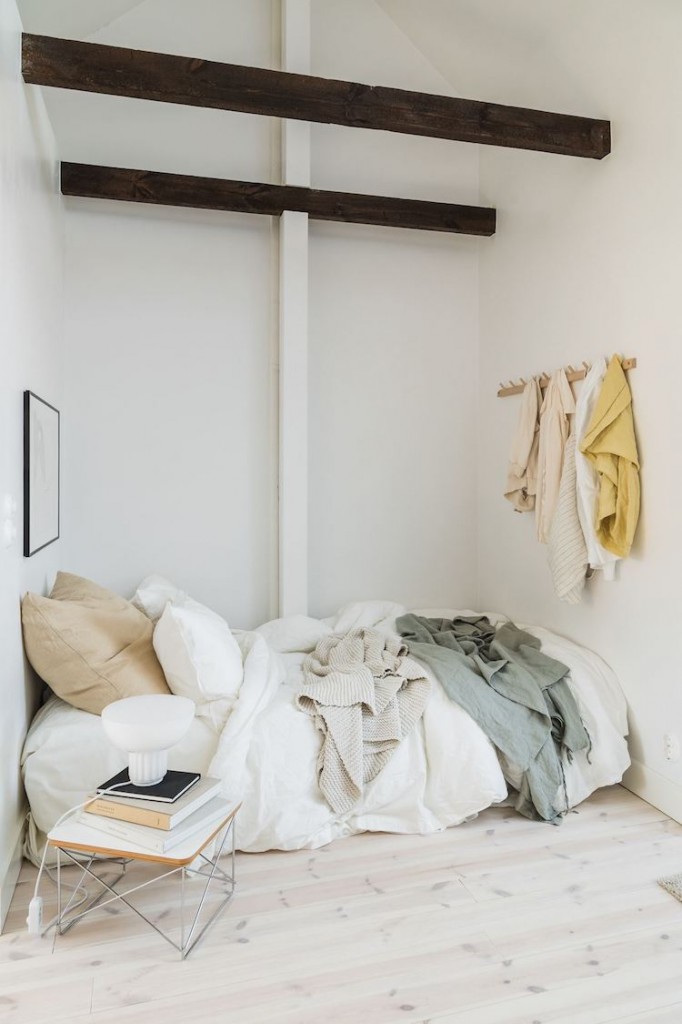
Bedrooms I Love

categories Bedroom     comments 3 comments

i want this flat, automatism

2
Nov

Damien Hirst Exhibition in Sofia

categories Inspiration     comments Leave a comment

Auf dem Weg nach Sofia… Die bulgarische Hauptstadt feiert Damien Hirst mit seiner ersten grossen Ausstellung in der Nationalen Kunstgalerie und der Galerie für Moderne Kunst.

Off to Sofia to visit the large scale exhibition of Damien Hirst in the National Art Gallery of Bulgaria and the Modern Art Gallery Sofia.

1
Nov

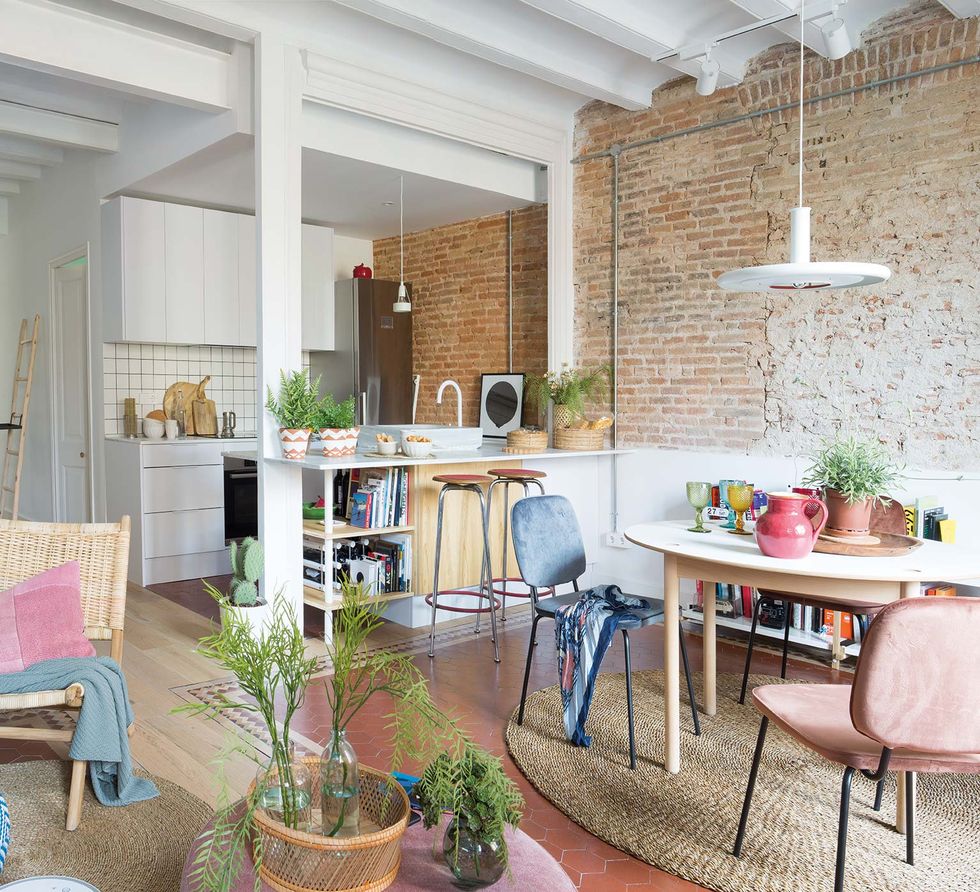
Eclectic Apartment in Barcelona

categories House Tour     comments 1 comment

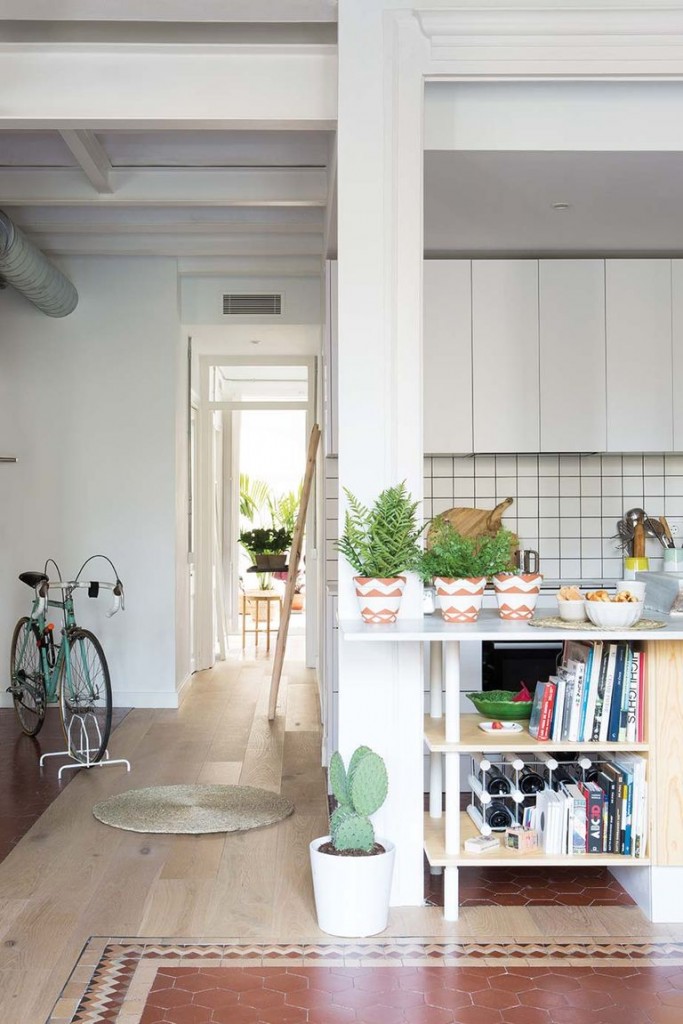
Ein Blick nach Barcelona in die eklektische Wohnung der Art-Direktorin Cristina Ramos.

A look inside the eclectic, colorful apartment of Cristina Ramos of Cristina Ramos Atelier.

casa vogue via la boheme

30
Okt

Interview with Sarah Lavoine

categories Designer, Interviews     comments 10 comments

It is my pleasure to welcome Sarah Lavoine – Polish princess and French interior designer – extremely talented and natural at what she does. Sarah is designer extraordinaire of perfectly imperfect interiors. I love the way she combines different styles in a way that feels effortless. The first 3 photos below are of Sarah’s art-filled Paris flat where she lives with her 3 children Roman, Yasmine and Milo and her husband, the French pop star Marc Lavoine. Enjoy!

How would you describe your style?

I think my style is contemporary, but warm and timeless at the same time.


What inspired you to get into design?

My father… He was the editor of French Vogue for 15 years, so I was always going to all the fashion shows with him as a child. My mother was also an interior designer herself, so I think she gave me a good feel for this profession.


Some designers believe that the first piece for any room is the rug or a painting that sets up the colors palette. What is your first source of inspiration?

I look at the volumes and the light straight away, at what I can change, transform, get rid of and readjust. But an interior is a whole, there is not really one single thing for me that I start on.


What do you enjoy most in your work?

The fact it’s a challenge, because you must constantly try out new ideas, invent and imagine new spaces, and include new materials. Once I had decided to become an interior designer, I immediately felt like it was exactly what I was meant to do.

What is the biggest mistake people make when they decide to decorate their own homes without the guidance of a designer?

They try to get the ‘total look’. I avoid the total look at all costs. People are not very daring – you shouldn’t be afraid to try out new colours and bold combinations.


What do you love to do when you are not designing?

When I’m not designing, I love to relax by going for a nice walk in the wonderful gardens.

Who are your favorite artists?

I love going to see the art work at the gallery Kamel Mennour. I really like the Japanese artists Moriyama and Araki, and the work of Camille Henrot.


Your favorite books?

My favorite book is Belle du Seigneur by Albert Cohen.

Your favorite places in France?

I have so many favourite places in France, but I especially love Cap Ferret.


My signature question – what are the most important design elements?

Comfort, space and above all, light.

photos: Sarah Lavoine

29
Okt

Beach House in Brazil

categories Houses     comments 4 comments

Strandhaus in Brasilien mit traumhaftem Blick auf den Atlantik. Architektur: Silvio Sant’Anna & Ana Vidal

Wooden beach house overlooking the Atlantic Ocean. Architecture: Silvio Sant’Anna & Ana Vidal

photos: Eduardo Pozella for casa abril

29
Okt

House on the Mexican Pacific Coast

categories Architecture, Houses     comments Leave a comment

So sieht ein Haus in Mexico aus. Architektur: Cadaval & Sola-Morales. Schönen Wochenstart!

House by Spanish architects Cadaval & Sola-Morales overlooking the Pacific Ocean. Happy Monday!

dezeen

« Vorherige SeiteNächste Seite »