|
4 Jul |
Palm Beach Getaway House Tour
5 comments |
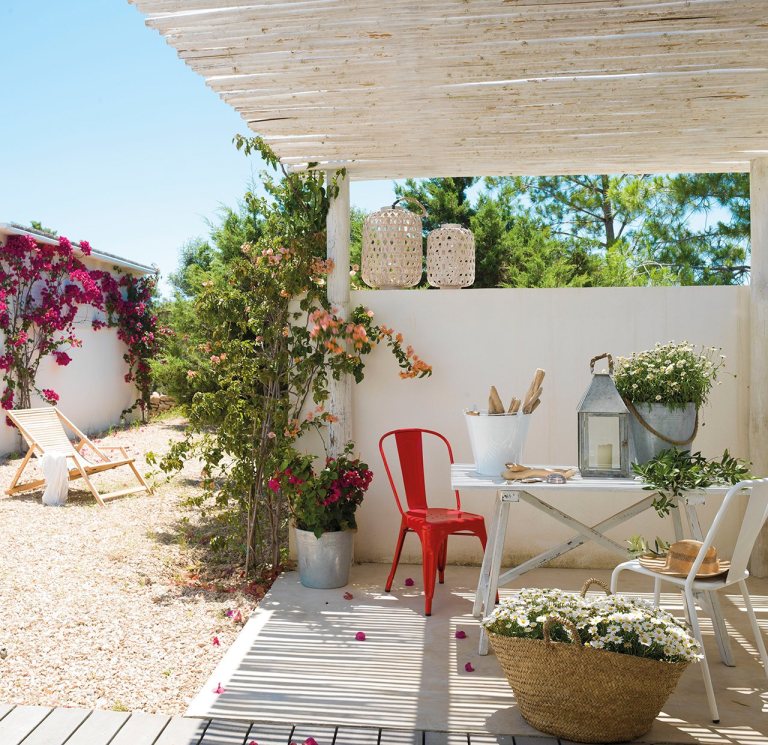
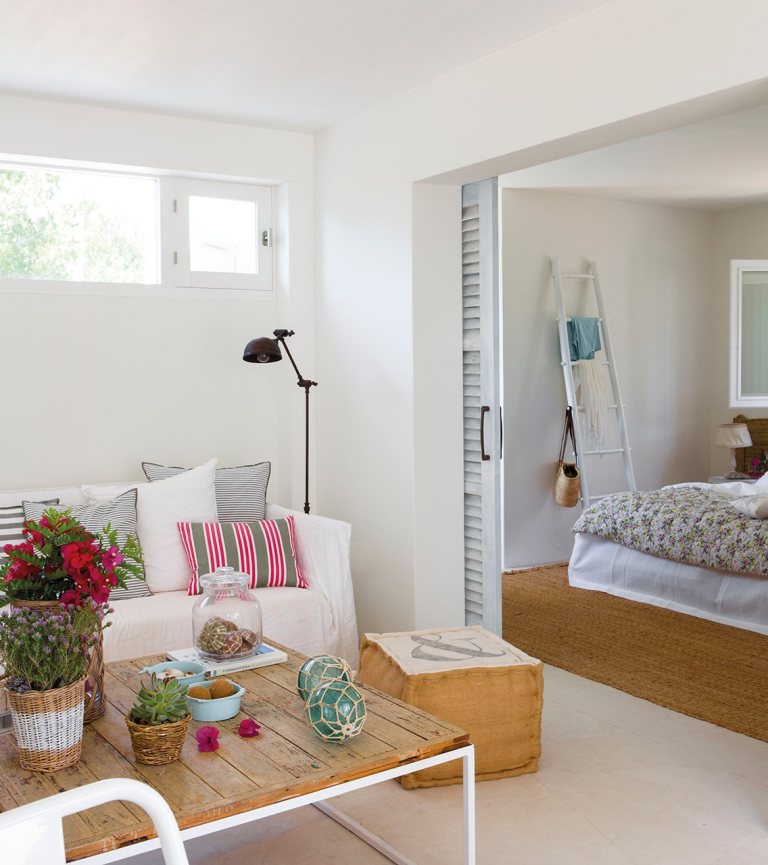
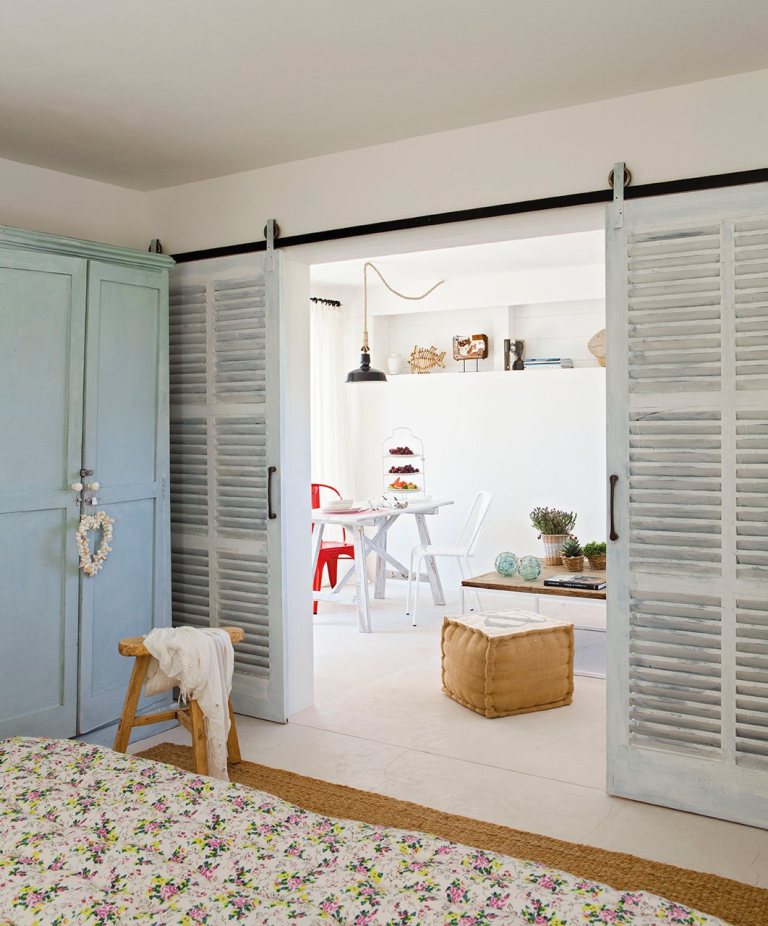
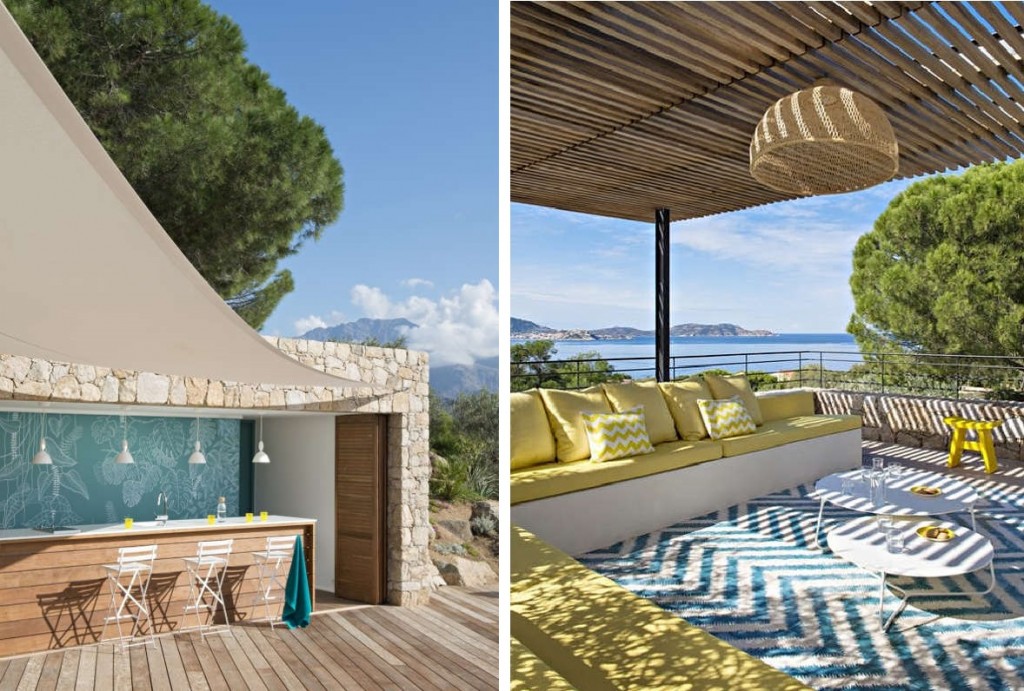
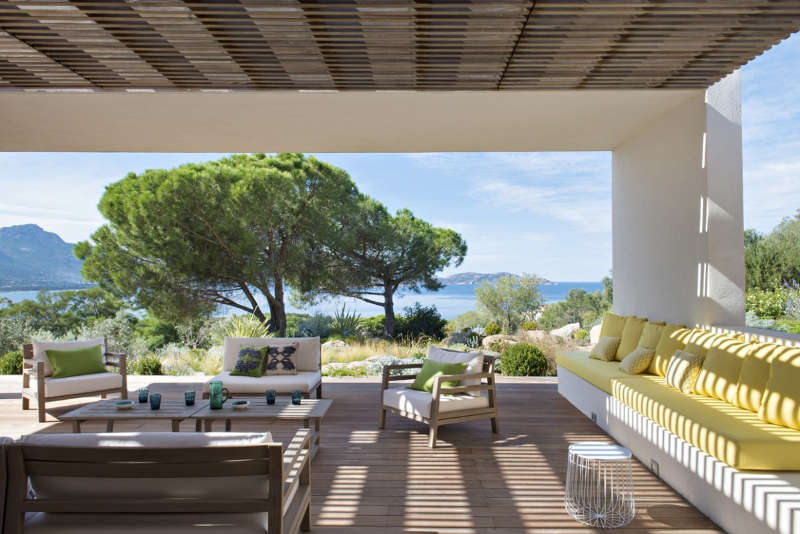
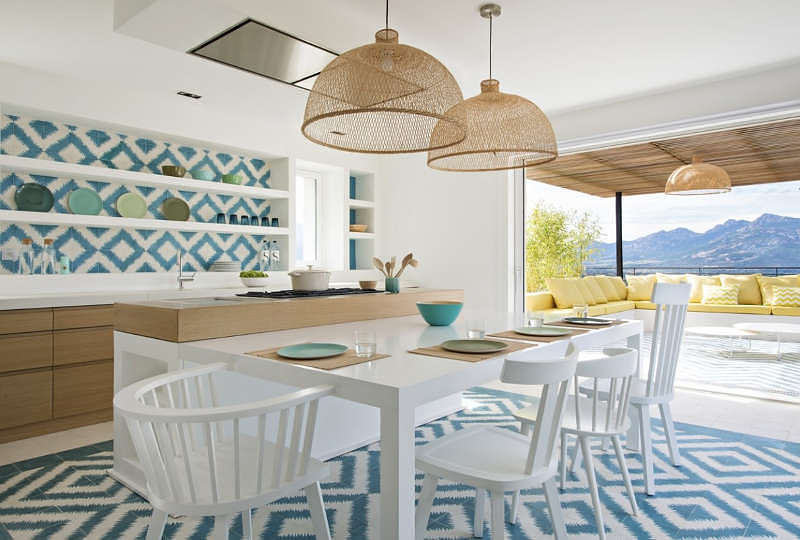
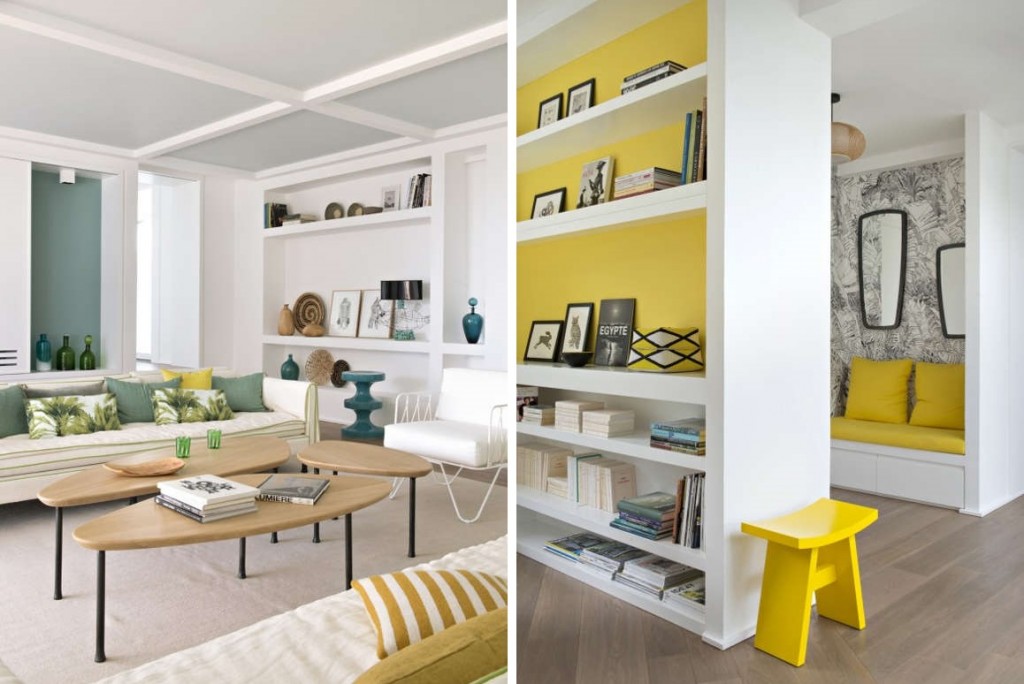
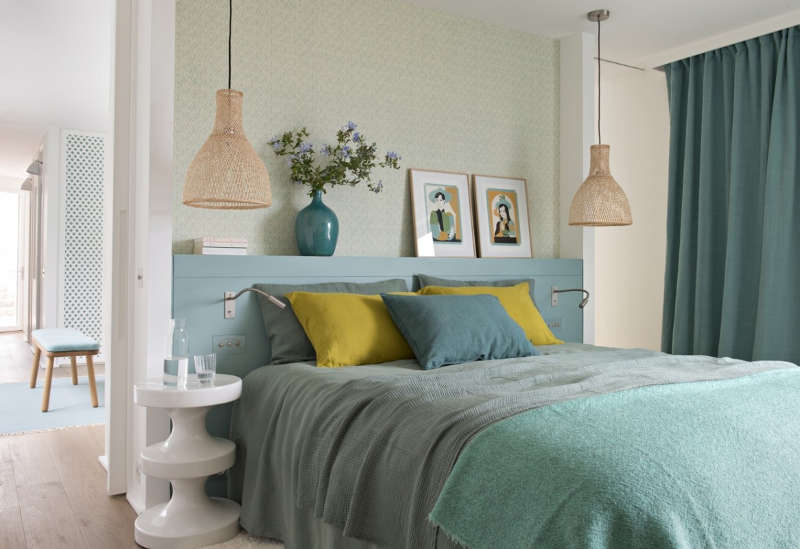
Ein Blick nach Palm Beach in das tolle Haus von Kelly Klein – Fotografin und Autorin. Einen schönen Mittwoch!
A look inside the beautiful getaway of author and photographer Kelly Klein. Happy 4th to all my friends in the US!


photos: Nikolas Koenig for AD
|
4 Jul |
Book Love Books
1 comment |
Ein tolles Buch für Eltern – kein “Ratgeber”, eine Lebensphilosophie.
An inspirational book for parents – the architects of the family’s daily lives.

|
2 Jul |
Interview with Craig Steely Architecture, Designer, Interviews
3 comments |
“When “expression” and “content” coincide, something exceptional is born.”
Craig Steely is a San Francisco and Hawaii based architect. His designs are cool and unique – “contemporary West Coast architecture with a clean Zen sensibility.” They have been awarded recognition by the American Institute of Architects and published widely in books and periodicals. In 2009 Craig Steely was selected as an “Emerging Talent” by the AIA California Council. The architect from San Francisco has been a guest lecturer at Berkeley University, at Cal Poly and at many design conferences. Recently I had the pleasure to have a cyber sit down with him afer he returned from a trip to Japan. Before the interview I read that Craig’s “charisma really comes from a deep-rooted stability, a sense of health and vitality, and a freedom from inner hang-ups.” I so agree with this… Craig loves to surf, skateboard and play music around campfires.
What was the moment when you knew you would be an architect?
I remember the exact moment when I decided to be an architect. I was with my family staying near Sea Ranch. I had spent the morning sketching these houses and there was a Sunset Magazine laying around that I looked at and thought, ” Oh, I should do this. I could do this.” It sounds so naive and funny. I was 15, I think.
Is there something that connects all your projects?
My work…it’s all one building really! When I look at my projects I see a string of an idea starting from my first and continuing on from my latest. Certain projects are linked variations of a specific idea and other times themes appear and reappear in later work as my experience has grown. I see an exploration of contrasts along similar lines: opacity-transparency, heaviness-lightness, action-reaction. This idea string morphs to suit the circumstances and gets refined from one project to the next.
Looking back at your first project what design knowledge do you wish you had back then?
I wish I would have had the confidence and maturity to tell the clients they didn’t need so much.
What do you enjoy most in your work?
Getting to the core of an idea. Simplifying it, clarifying it, making it stronger and more obvious by reduction. That and hanging out on job sites.
What do you love to do when you are not designing?
Surf, skateboard, play music around campfires.
Who are your favorite artists?
Fine artists? Let’s see…James Turrell, Dan Flavin, Donald Judd, Olafur Eliasson, I find direct inspiration from them in my architecture. I always like Anthony Caro, Jean Tinguely, Niki De Saint Phalle.
Your favorite books?
Too many to name just one. I like writers who can ride the fine line between profundity and absurdity. My favorites are Graham Greene, Joyce Cary, Haruki Murakami, Richard Braughtigan.
What does success mean to you?
It’s the moment when I’m dreaming or sketching and the perfect idea appears out of the confusion of words, ideas, feelings and thoughts.
What’s your advice to upcoming architects?
Only do it if you have to do it. There are too many architects doing work they are not invested in or really don’t care about…the world is littered with these things.
My signature question – what are the most important design elements?
When “expression” and “content” coincide, something exceptional is born.
photos: Craig Steely Architecture
|
29 Jun |
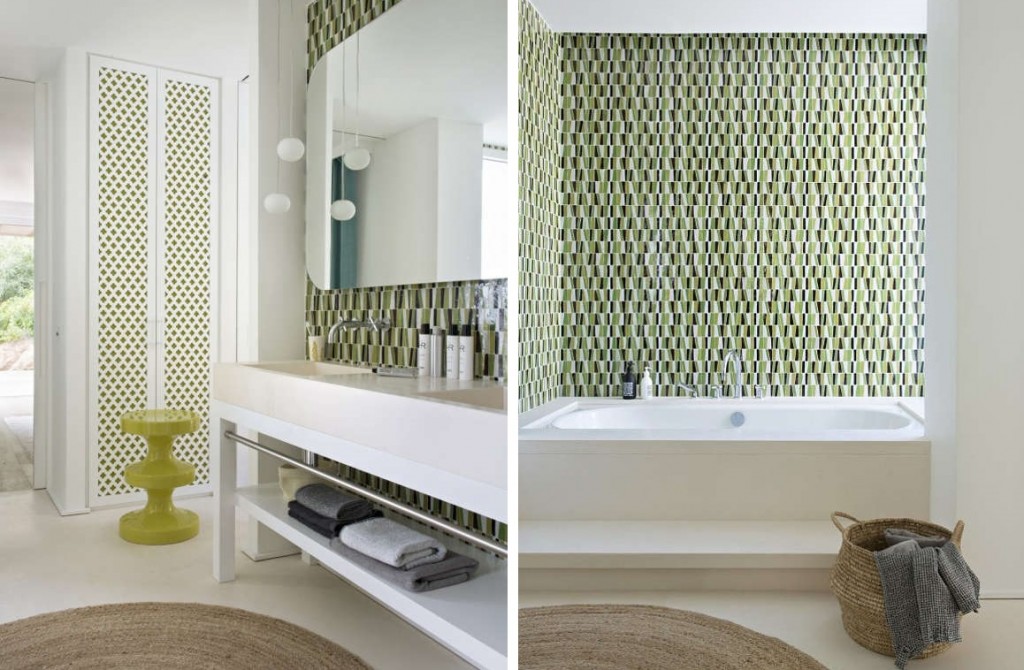
Bathrooms I Love Bathroom
10 comments |

|
25 Jun |
Interview with Aaron Hom Designer, Interviews
10 comments |
“The most important design elements? Form, palette, scale, really good light and soul!”

I love the work of California-based Aaron Hom and I had to share my interview with him. Aaron Hom is on the top of my imaginary list of favorite stylists. Wonderful work. Beautiful photos. Enjoy!

How would you describe your style?
My style is sort of California Modern with a twist. Clean and modern.
What inspired you to get into styling?
I really fell into styling. Prior to that I was a floral and event designer in LA with clients like Anjelica Houston and Lauren Bacall. That was 20 years ago.

How did you get your first assignment?
My first job was with the wonderful Northern California garden company Smith & Hawken. It was a blind interview. I got the job.
Looking back at your first project what decorating knowledge do you wish you had back then styling the interiors?
Hmm, I guess it would be to always trust my instincts.

Is there a designer that has influenced you?
Of course. Charles and Ray Eames, Michael Taylor, Christian Liagre, Ron Mann, Vincente Wolf, really there are so many…
Some designers believe that the first piece for any room is the rug or a painting that sets up the colors palette. What is your first source of inspiration?
It is never the same. It could be anything from a vintage Saarinen table to a flower from my garden.

How do you achieve a good scale? Scale is a really interesting and difficult topic.
Yes, it is. I am a self taught stylist. So I trust my eye and instincts to tell me what looks good and interesting when it comes to scale. I like things to be a little off. To challenge ones eye.
What do you enjoy most in your work?
The creative process and working with other creative people. But mostly making beauty!

What do you love to do when you are not designing?
Movies, food, nature and more movies! I grew up in LA and have always loved going to movies.
Who are your favorite artists?
Dekooning, Picasso, Klee, Matisse, modern, modern, modern. Too many to list really.

Your favorite books?
Don’t know if I have favorites. I love mysteries. Love design books. Spiritual books. Ok I guess I would have to say my favorite is the Tales of the City series because it made me want to move to San Francisco, which I did.
What does success mean to you?
Professionally? To be happy and productive in my work. And to bring more beauty into this world.
My signature question – what are the most important design elements?
Form, palette, scale and really good light and soul!
photos: 1 Marius Chira, 2-9 Aaron Hom
|
25 Jun |
Where the Magic Happens Inspiration
5 comments |
|
24 Jun |
A Dose of Inspiration Houses, Inspiration, Pools
2 comments |
my favorite tumblr Cabbage Rose


|
20 Jun |
Interview with Joyce Wang Designer, Interviews
8 comments |
“Design was and still remains to be the most powerful thing I know.”

I can barely contain my enthusiasm for the work of Hong Kong born interior designer Joyce Wang – an amazing talent and one of my favorite young designers. Joyce is the winner of INTERIOR DESIGN “Best Of Year” Award, 2011 and Design Within Reach “M+D+F” 2010. The famous AMMO restaurant in Hong Kong designed by her – photos below – was named as one of the 5 best designed restaurants in Hong Kong. Having landed in the interior design scene only three years ago, Joyce Wang has already set the tone of what has yet to come in the next few years. “For years the design scene in Hong Kong has been dominated by men such as Andre Fu and Steve Leung. Joyce Wang is on a mission to change that.” Go Joyce!

How would you describe your style?
I stay away from a particular style. My practice is still extremely young and cannot lay claim to a signature style. More so, I love
learning from new briefs and finding inspiration from new clients; you might say this approach keeps us rejuvenated and on edge.
What inspired you to get into design?
It began at a very young age. When I was five, I realized my most vivid memories were of places and the feeling I felt when I was in them. I wanted to be part of the process of crafting spaces and curating those memories for others. Design was and still remains to be the most powerful thing I know.
How did you get your first assignment?
My first client was an entrepreneur who made his success when he was 26. He wanted to pass this torch of opportunity when he took a chance on us to re-design one of his luxury hotel properties – The Hollywood Roosevelt Hotel in Los Angeles.

Looking back at your first project what decorating knowledge do you wish you had back then designing the interiors?
That if you can draw it and articulate it, your design can most definitely be fabricated and built. This knowledge either breeds ego or humility into a designer.
Is there a designer that has influenced you?
Designer Ken Adam who was the mastermind behind the film sets for Goldfinger and Dr. Strangelove.
Some designers believe that the first piece for any room is the rug or a painting that sets up the colors palette. What is your first source of inspiration?
The context and crafting meaning out of it. It can be the context within which the client has commissioned work from me, or the context which the space is located within.

How do you achieve a good scale? Scale is a really interesting and difficult topic.
My own body has always been a reference point for crafting proportions and deciding on dimensions. Design should begin from a human scale and my body is conveniently available.
What do you enjoy most in your work?
Empowering people to execute challenging ideas. For example for a recent restaurant design named AMMO, I had communicated the design of 3 custom staircase chandeliers to be crafted entirely out of plumbing pipes and plumbing parts. Initially, the fabricator looked at me with a black stare. After going through some trial and error collaboratively, he was not only able to build it but looked at me with a smile and said “Send more of your exciting designs my way.” Itʼs a trust and bond I value deeply.
What do you love to do when you are not designing?
Swimming, daydreaming, eating chocolate.

Who are your favorite artists?
Lucien Freud, Dan Flavin, Fabienne Verdier.
Your favorite books?
Roland Barthes’ “Mythologies”; David Mitchell’s “Cloud Atlas” and Roald Dahl’s short stories.
Your favorite places in Hong Kong?
The beaches.

What does success mean to you?
Keeping a tight family together and being able to do what you love.
My signature question – what are the most important design elements?
Privacy. To me, a sense of privacy is the ultimate luxury.
photos: Edmon Leong
|
18 Jun |
Monday Dreaming Dream View, Monday dreaming, Travels
6 comments |
Monastero Santa Rosa Hotel mit traumhaftem Blick auf die Amalfiküste, Italien. Einen guten Wochenstart!
Dream view from Monastero Santa Rosa Hotel, Amalfi Coast, Italy. Happy Monday!


|
14 Jun |
Interview with Daniel Marshall Architecture, Designer, Interviews
12 comments |
“Success is feeling that you have a mastery in the craft you have chosen.”
Loving the work of Auckland-based award-winning architect Daniel Marshall. His houses look like a landscape element, like a piece of sculpture and the way he maximizes the views beyond the structures is fabulous. Daniel spent a lot of time in Asia, loves painting, playing the guitar and snowboarding the beautiful mountains in New Zealand. The interview below was made while Daniel Marshall was heading over to Waiheke Island for a new project…
What was the moment when you knew you would be an architect?
I think from a very early age I was intrigued: really just a stationary fetish and many hours with lego as a child. However I really knew when I was in an IM Pei building when I was an architecture student – it was then that I clearly realised that spatial constructs and materiality had a direct resonance with the human soul: it is an art.
Is there something that connects all your projects?
We call it sculptural resolve – the commonality of our projects across quite different contexts and requirements are that the resolution is sculptural in nature – this is probably a result of my design process running between drawing, physical modeling and computer modeling throughout the entire project and across a range of scales. I place a great deal of emphasis on the context and we explore the landform, history and wider context a great deal.
Looking back at your first project what design knowledge do you wish you had back then?
I think that regret can not be part of the creative process – we have to be constantly projected into the future. So the things I learn on each project enable the growth of the creative process.
What do you enjoy most in your work?
Most of it – I think architects are generalists and as such you encounter a large range of conditions – from introspective analysis to highly collaborative action. I think the diversity is what keeps me stimulated and interested in the process.
What do you love to do when you are not designing?
Diverse – I love painting and playing the guitar as both are creative in a direct way while architecture is an abstract from the finished result. I love drinking and catching up with friends, and I love snowboarding the many beautiful mountains in New Zealand.
Your favorite books?
House of Leaves by Mark Z. Danielewski
Your favorite places in New Zealand?
New Zealand is so diverse geographically – just from Downtown Auckland where I live, you can travel in 30mins by car in one direction and you are on the wild west coast with crazy black sand and ferocious waves crashing in from the Tasman Sea. 30 minutes by ferry in the other direction and you are on Waiheke Island which is a tranquil and beautiful island littered with vineyards, quiet private beaches and wonderful places to eat.
What does success mean to you?
Success I think is feeling that you have a mastery in the craft you have chosen.

What’s your advice to upcoming architects?
Listen to your intuition.
My signature question – what are the most important design elements?
One of my lecturers said that the Sydney Opera House wasn’t about the arching iconic forms, rather it was about the platforms. That statement has was a revelation to me. I think the interaction of various floor levels, and how they interact with the surrounding context is the most important design element.
photos: Daniel Marshall Architects


Willkommen auf Design Elements - mein Blog über Interior Design, Inneneinrichtung und Inspiration.