|
24 Jan |
Interview with Ben de Lisi Designer, Interviews
2 comments |
“Keep it hard working without it looking overworked. Keep it sexy without it being vulgar. Keep it pure and simple without it being boring and put your entire heart into it and make it look effortless.”

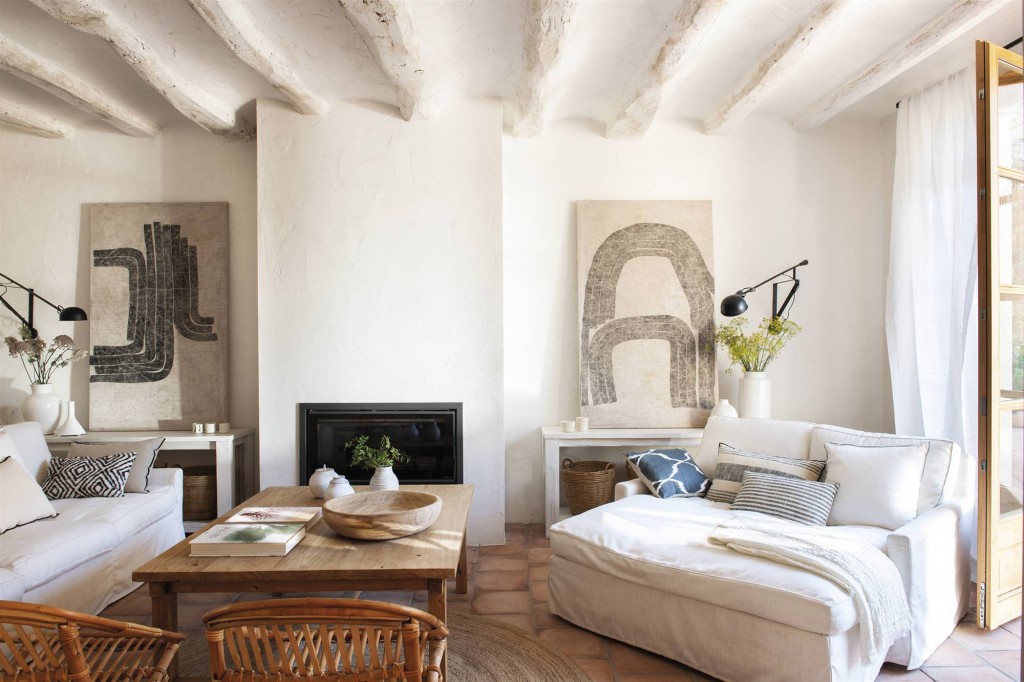
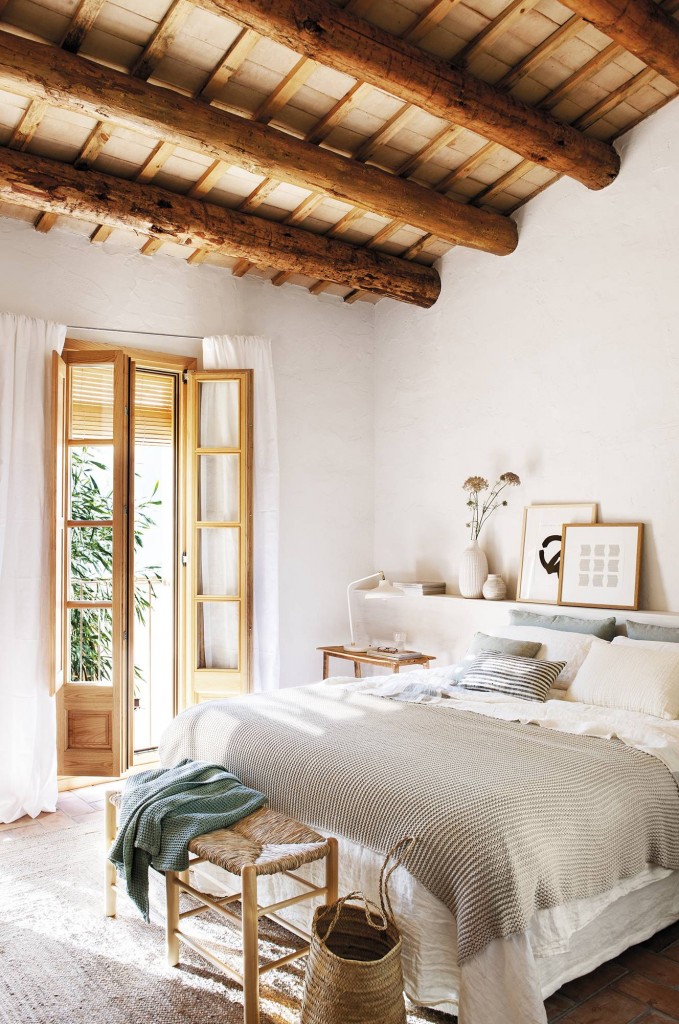
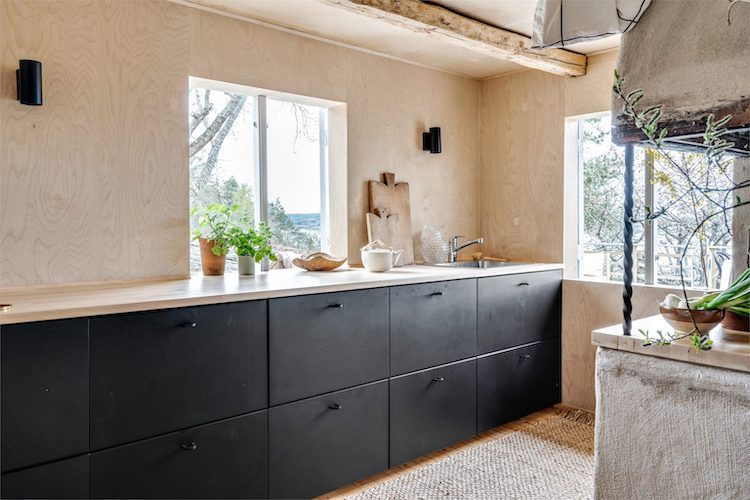
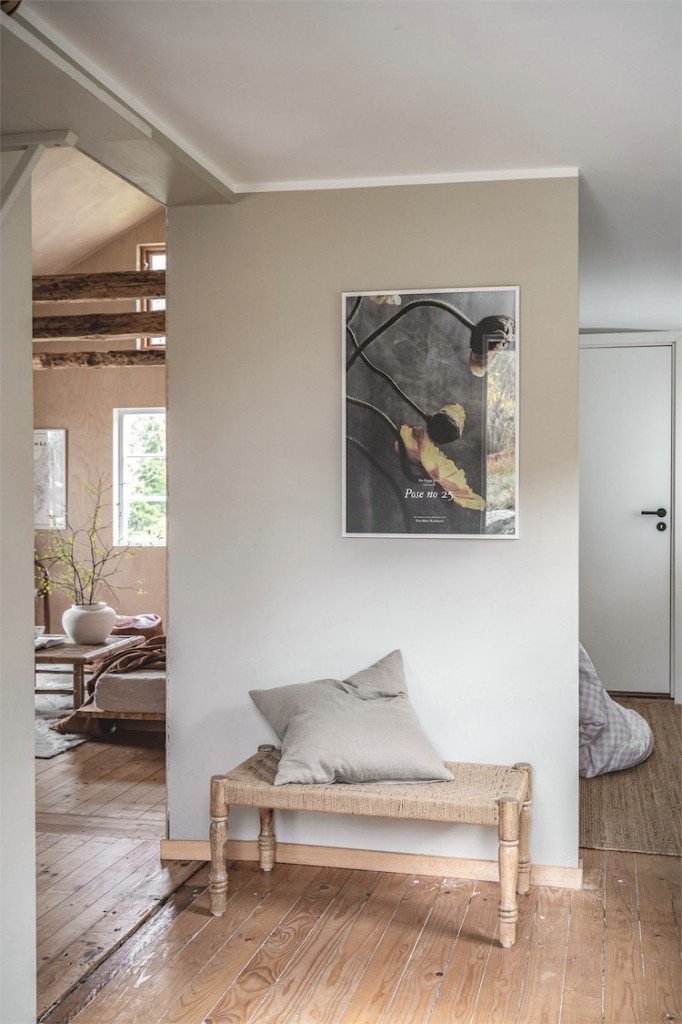
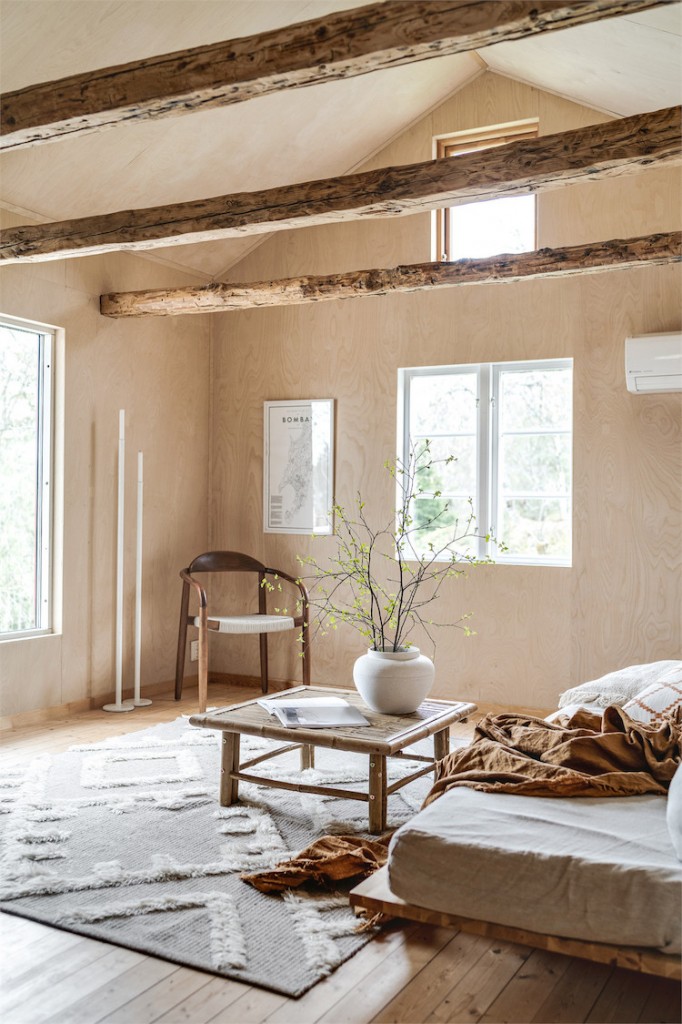
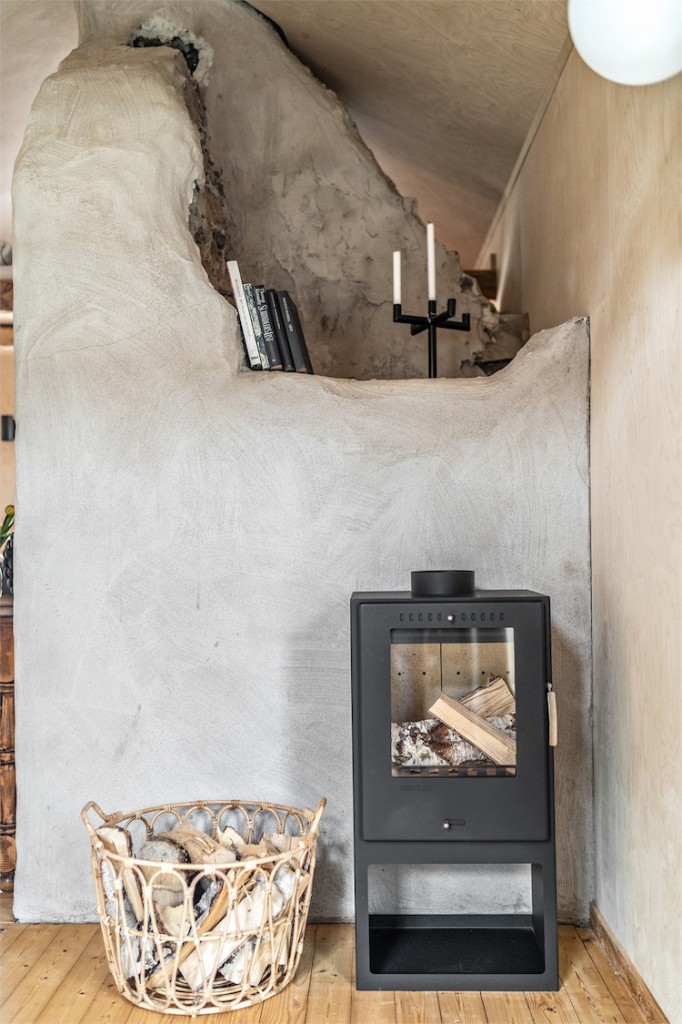
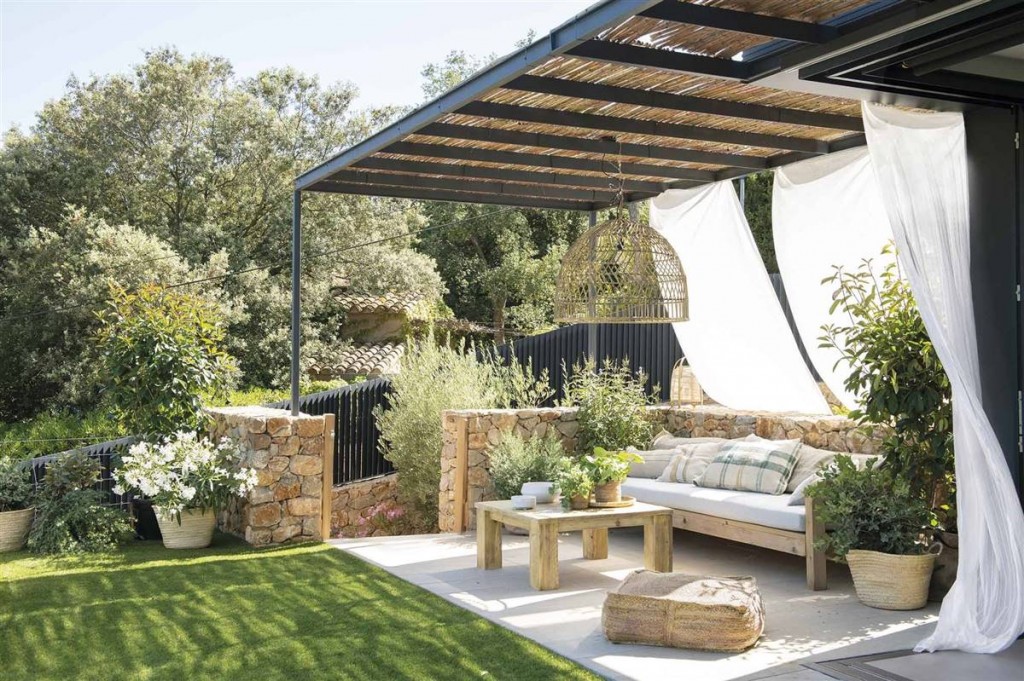
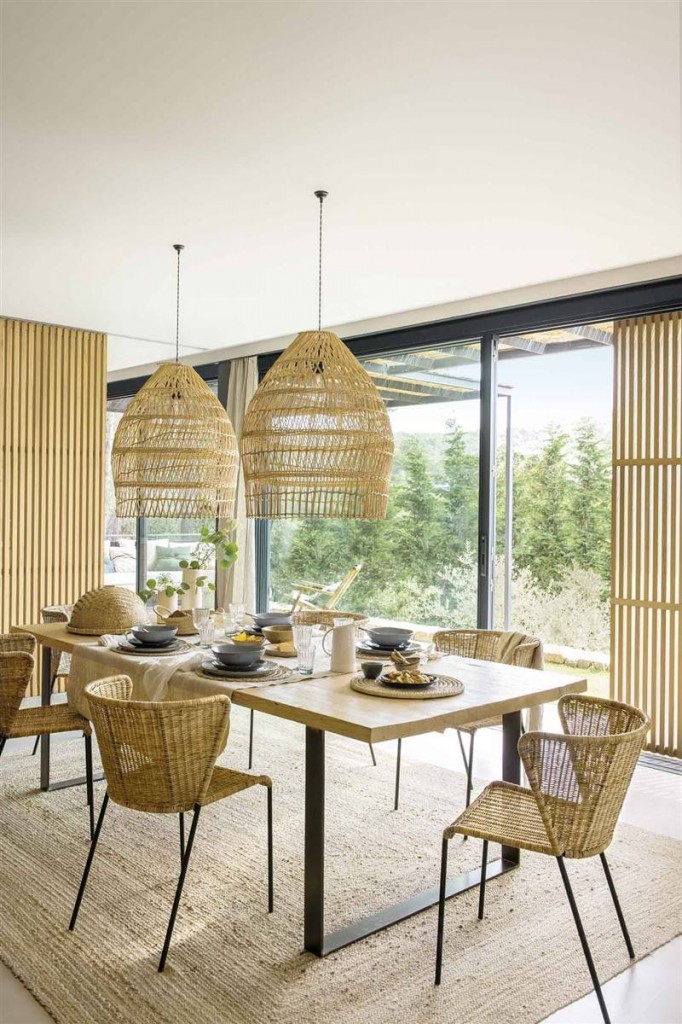
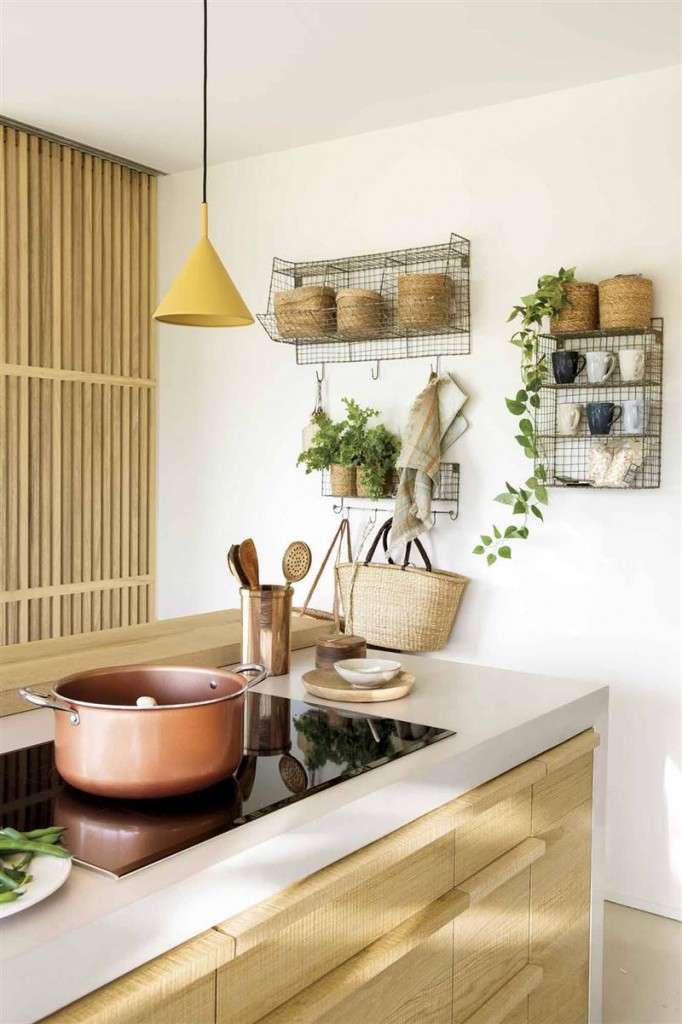
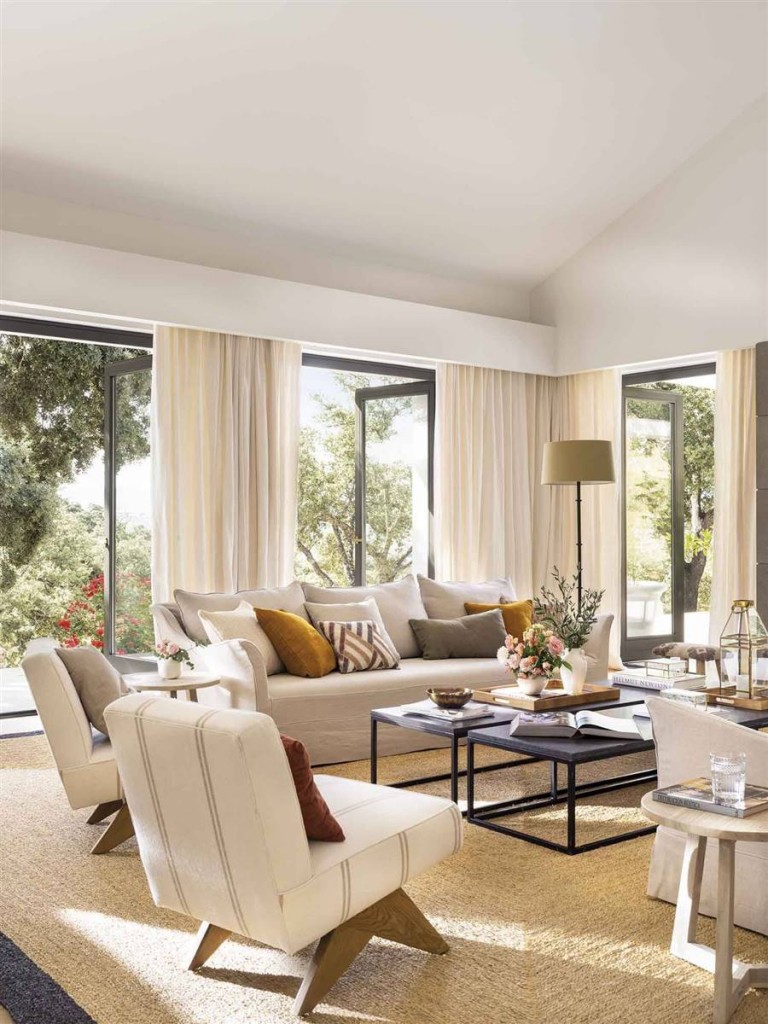
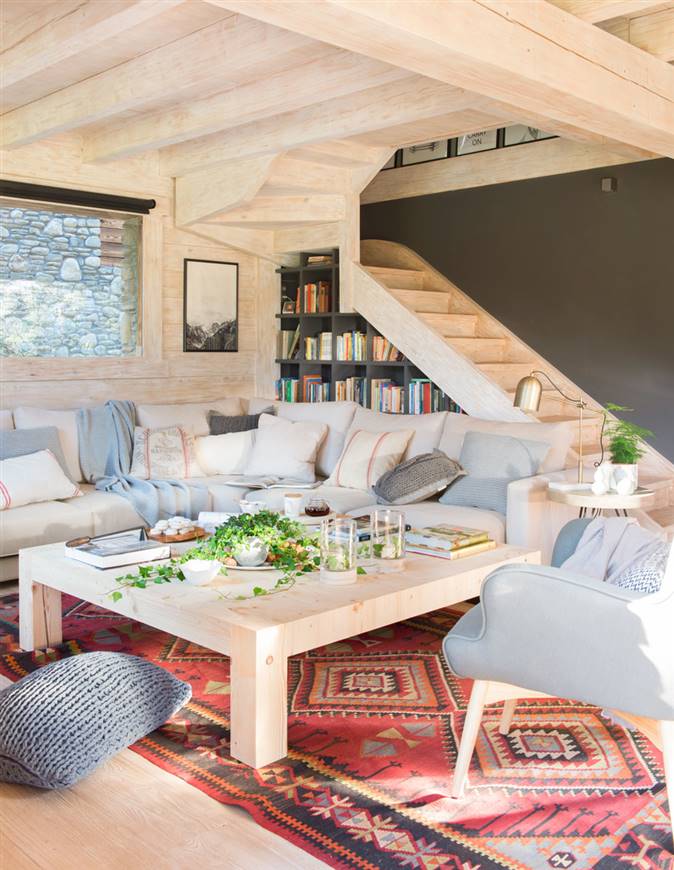
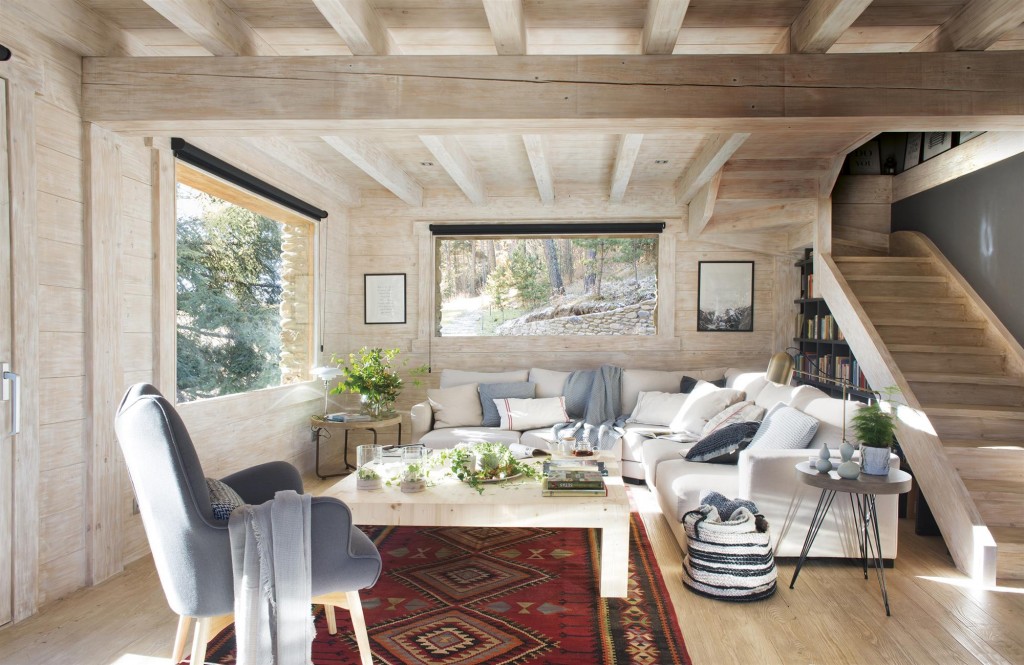
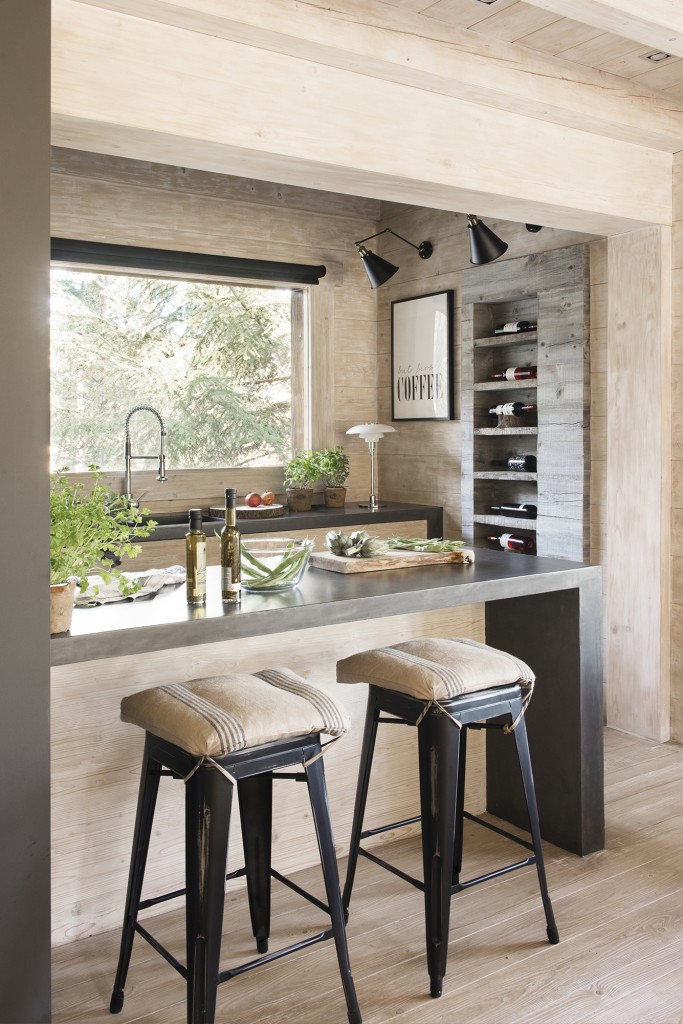
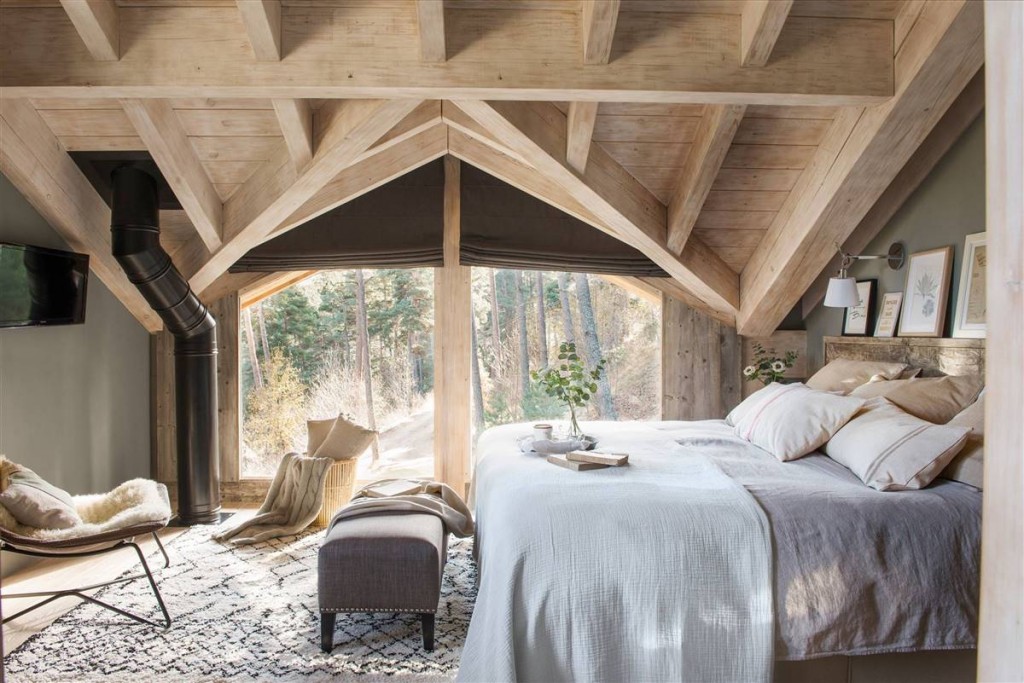
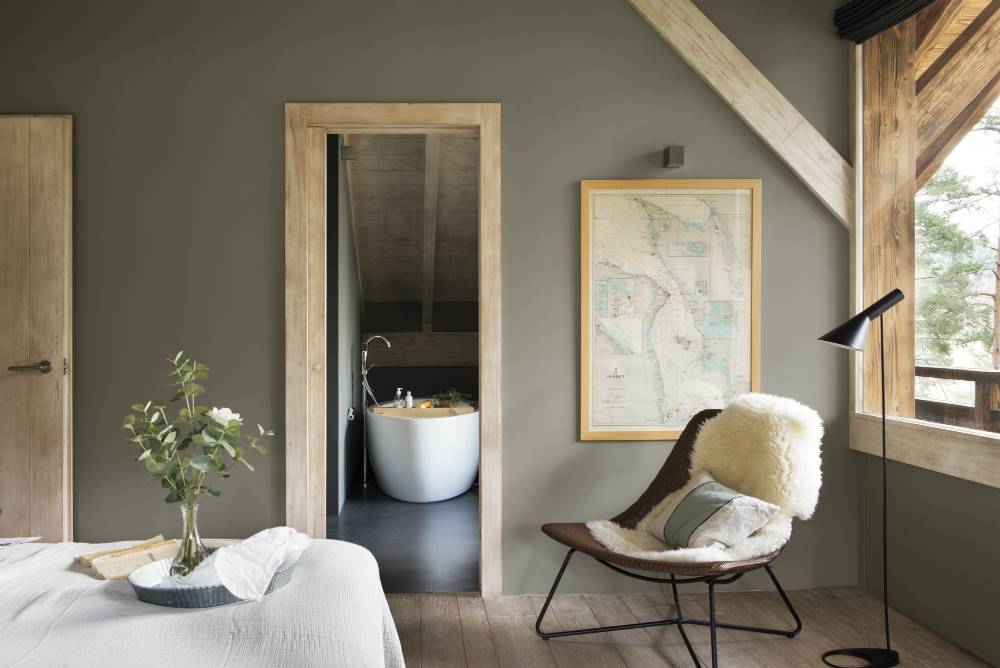
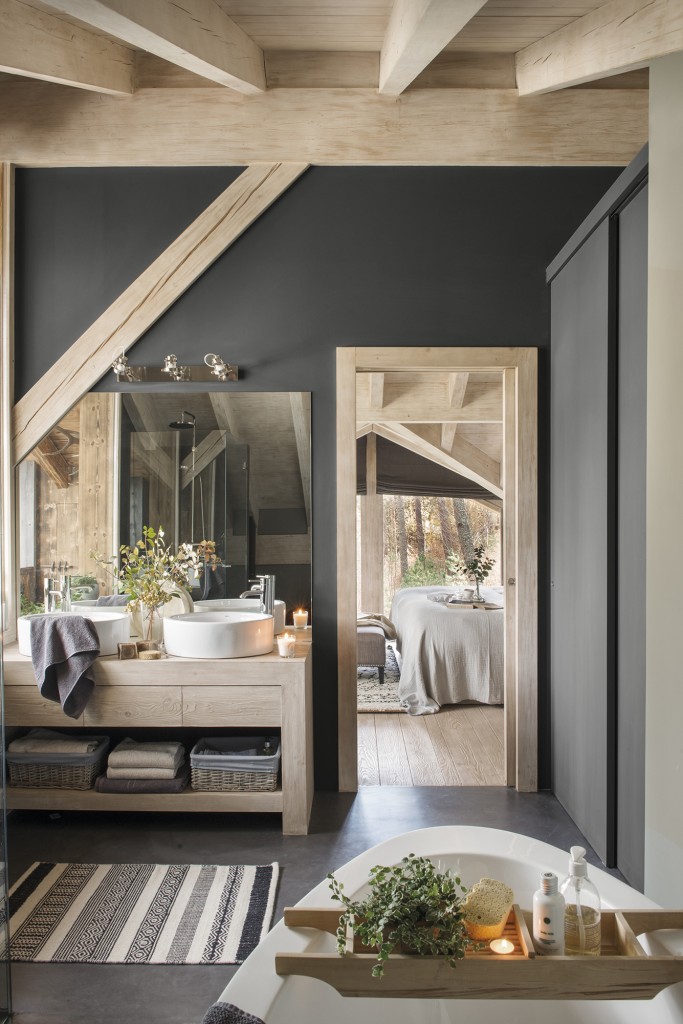
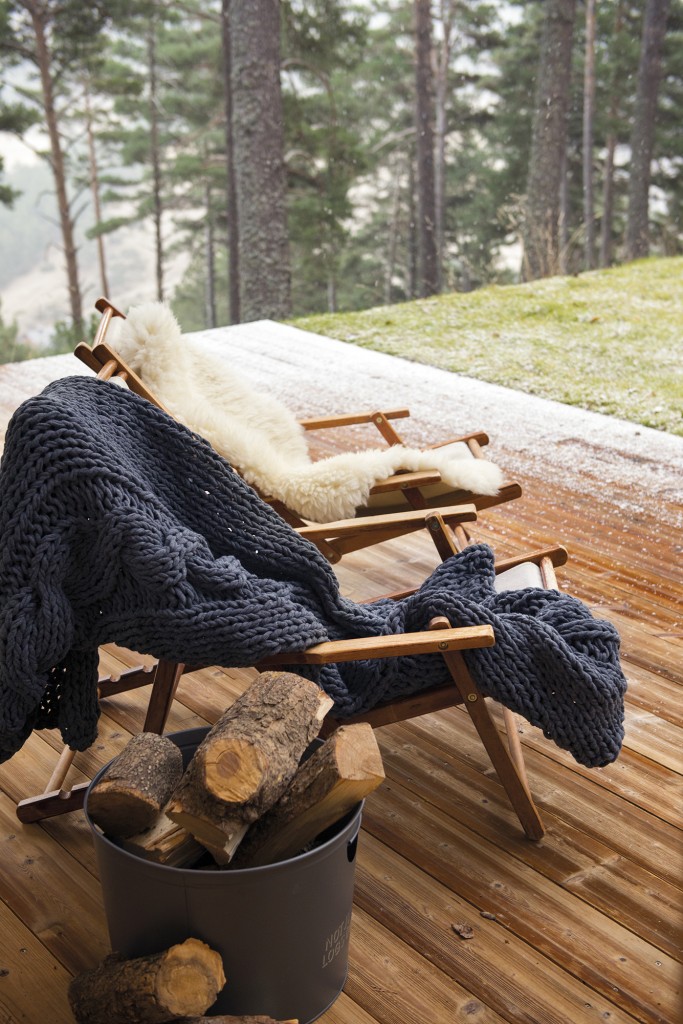
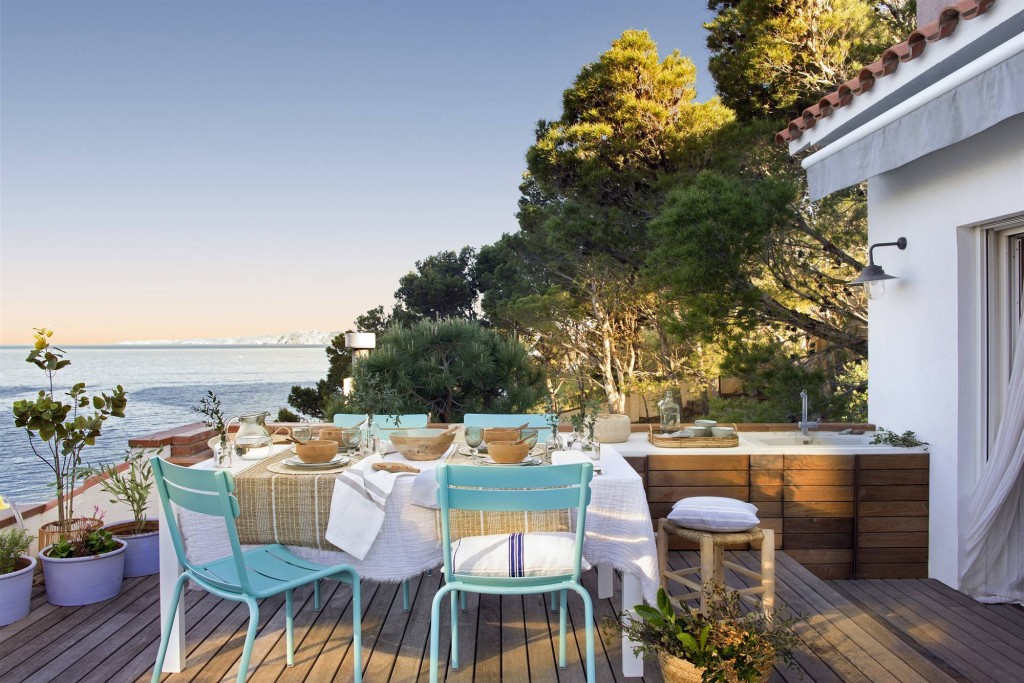
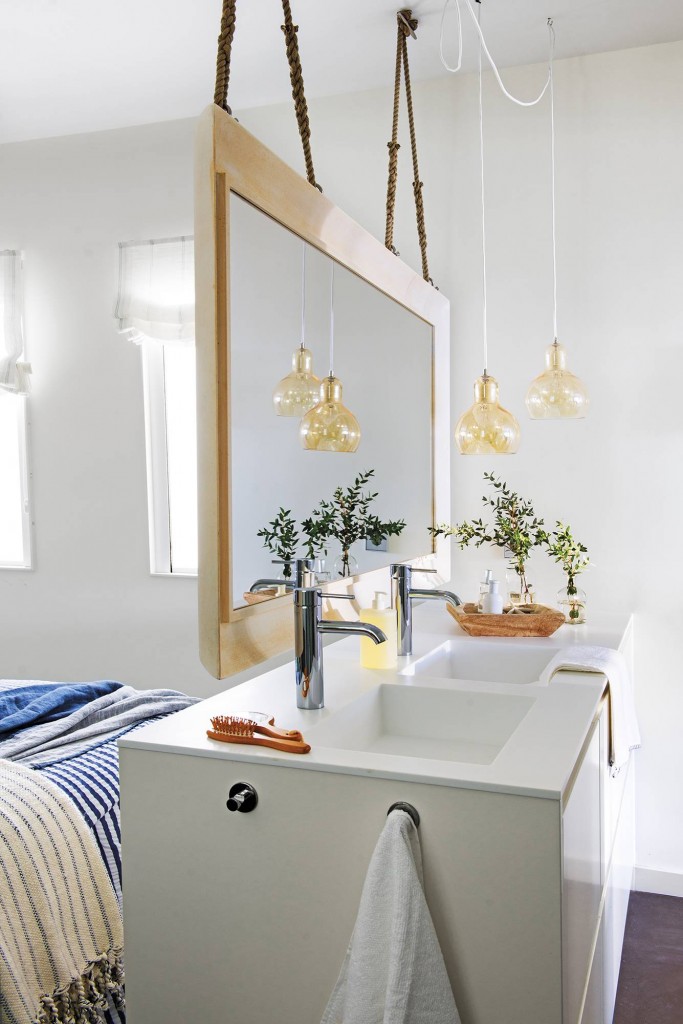
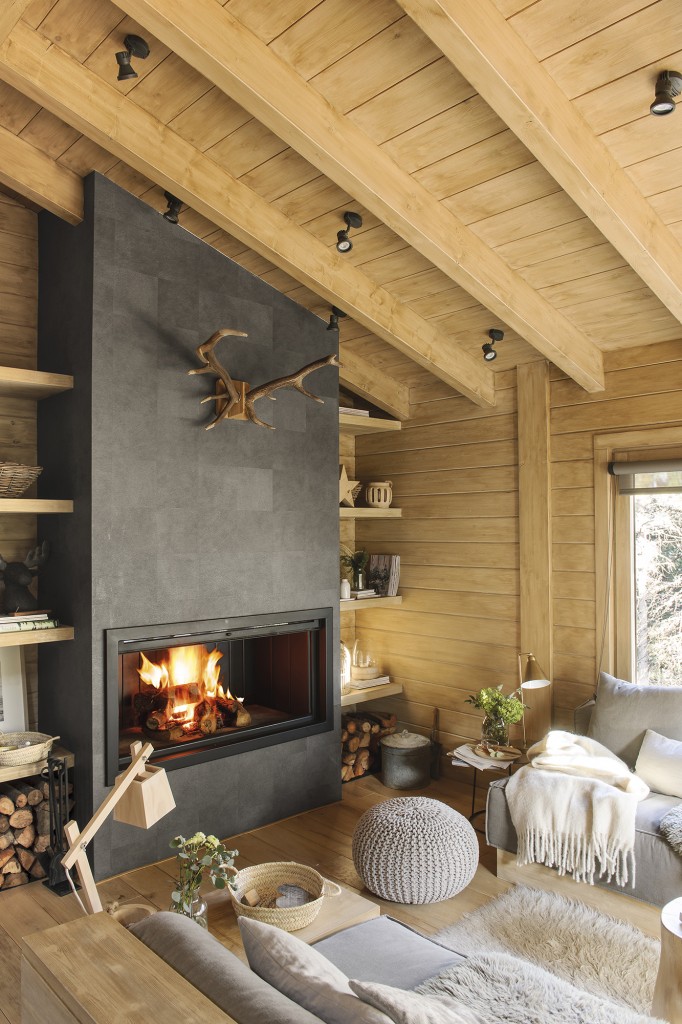
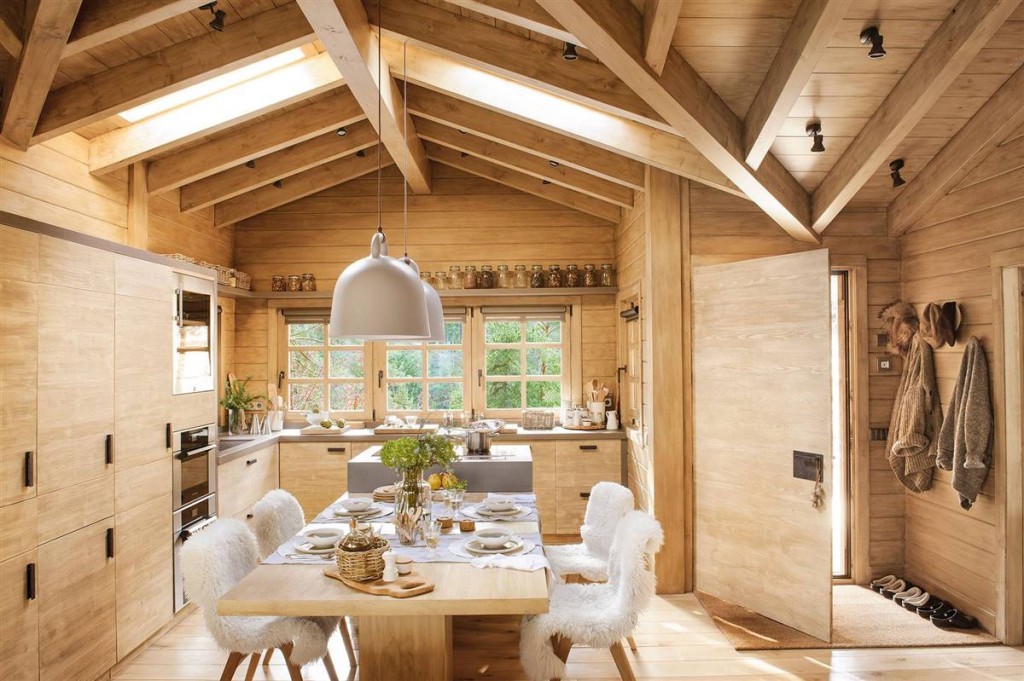
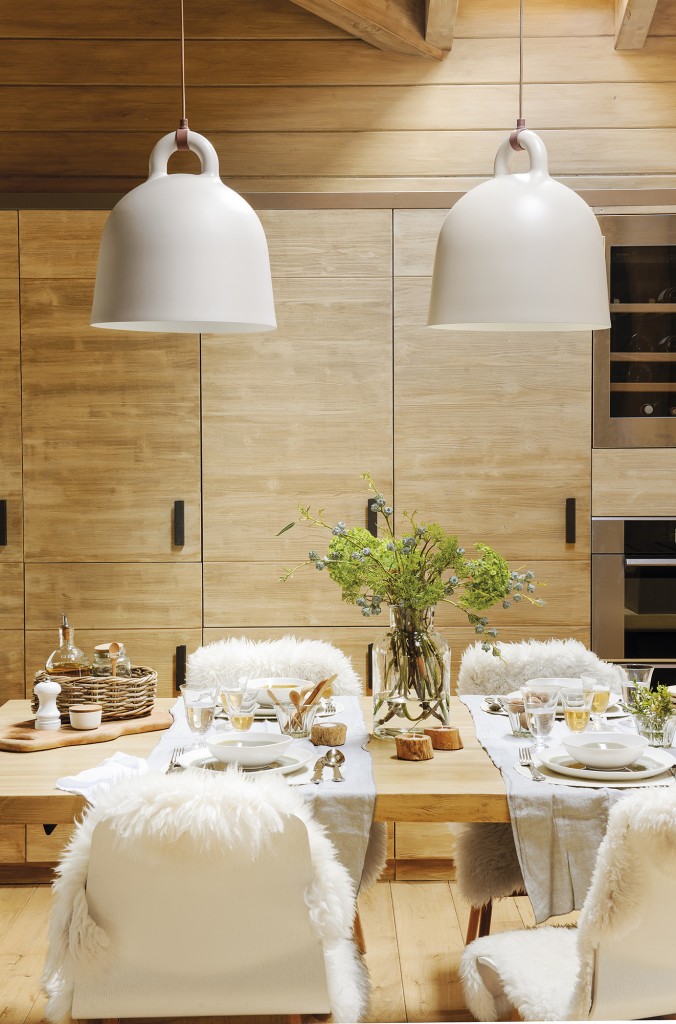
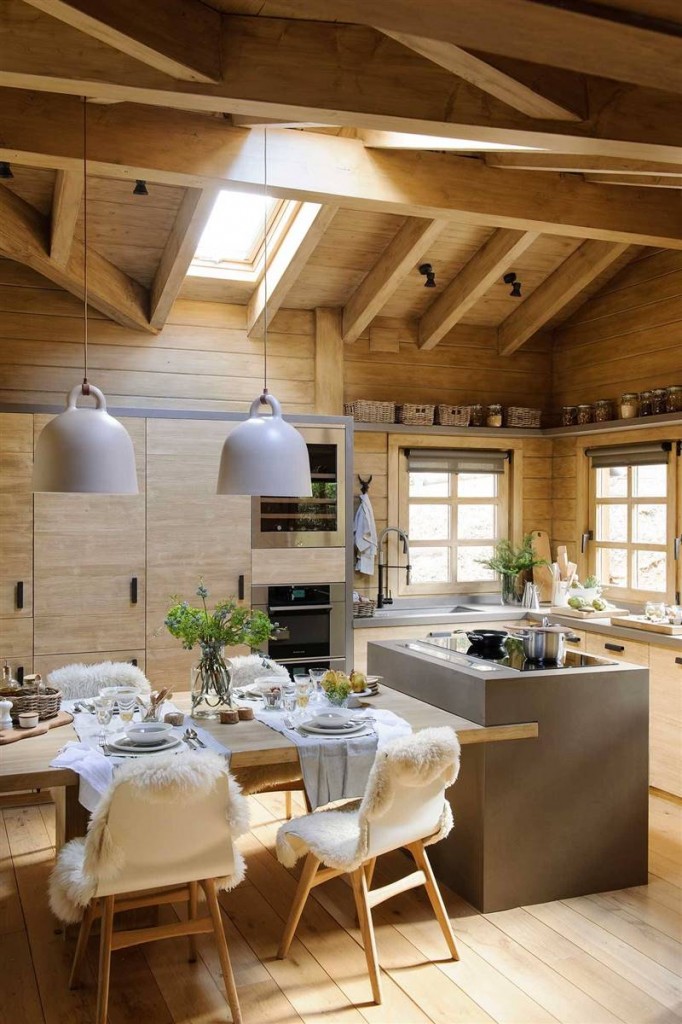
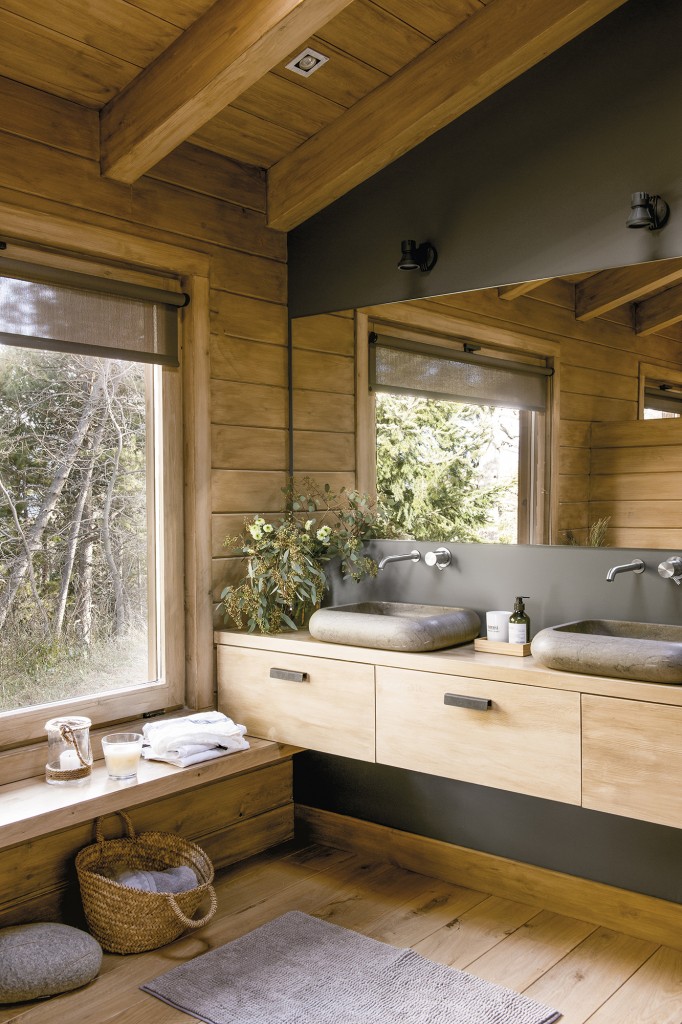
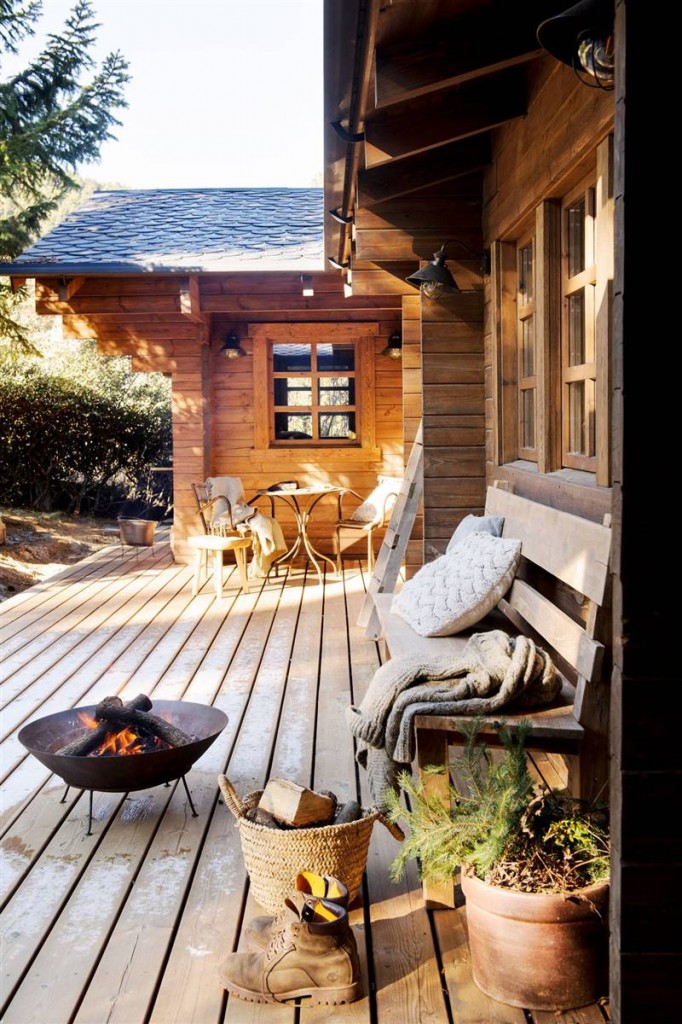
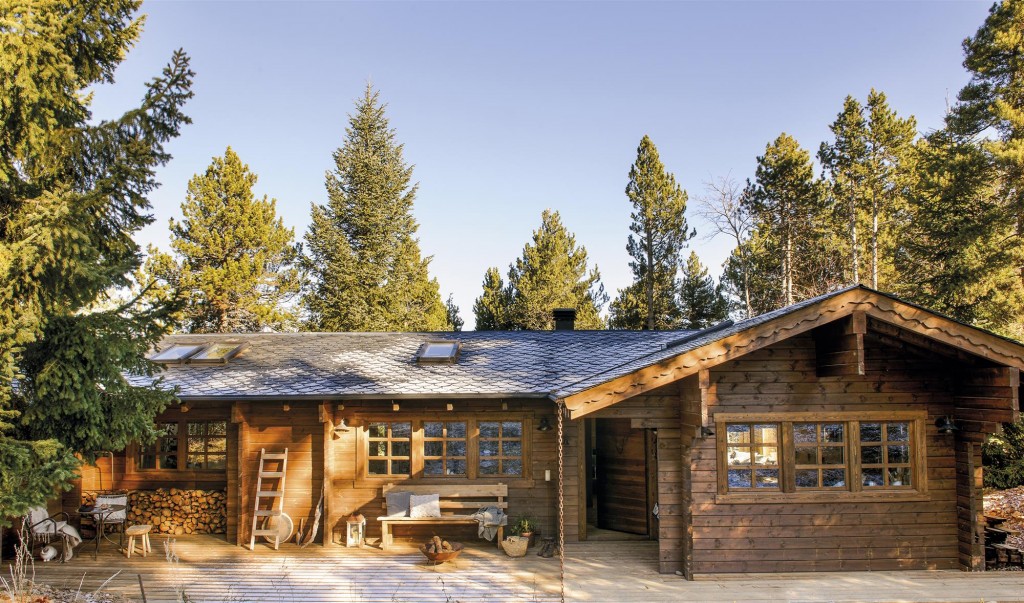
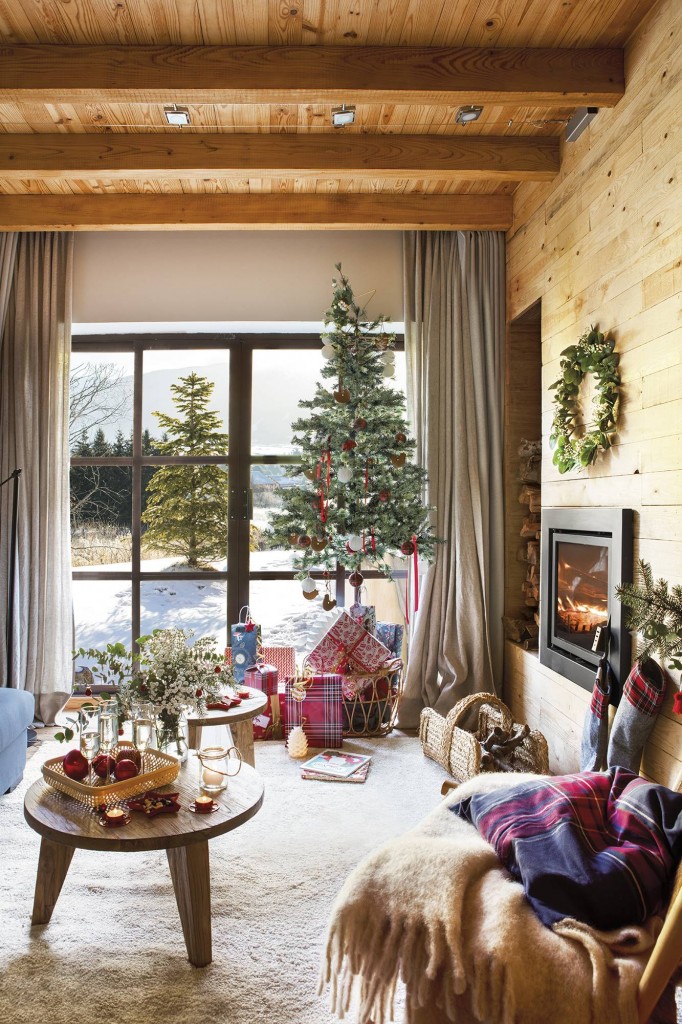
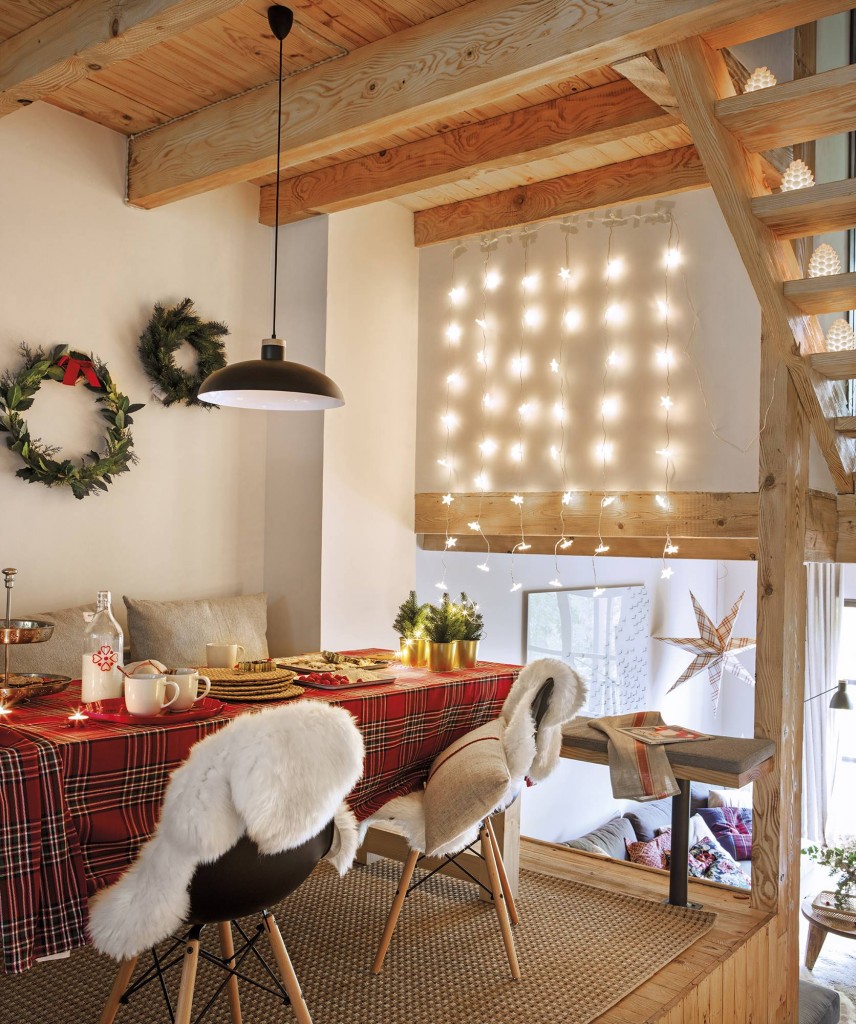
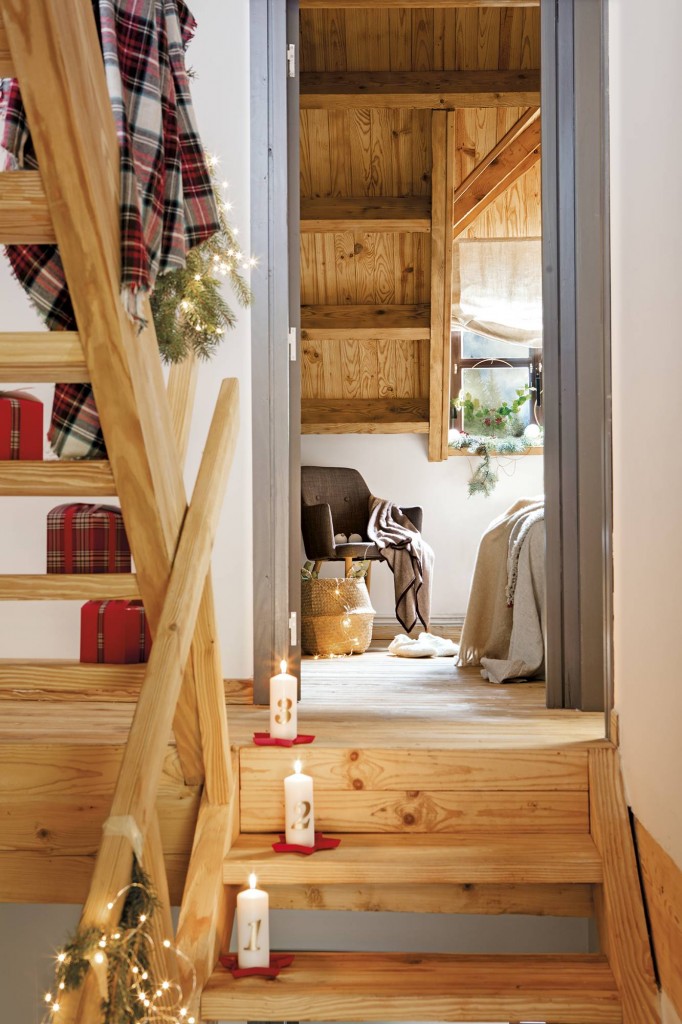
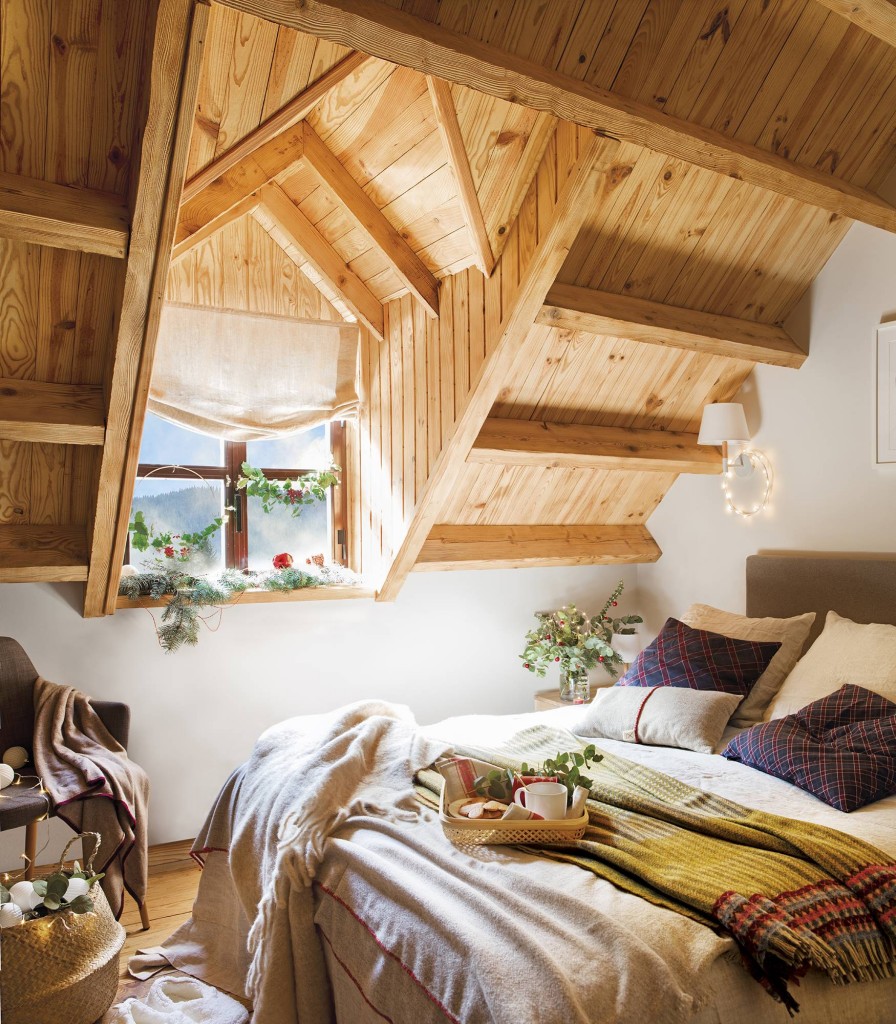
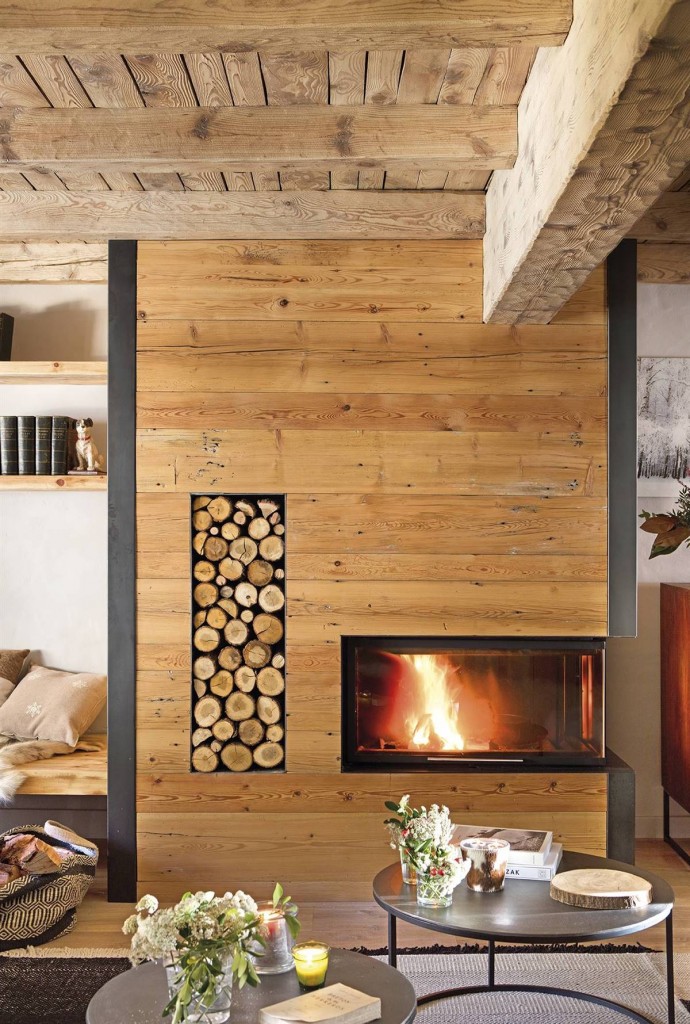
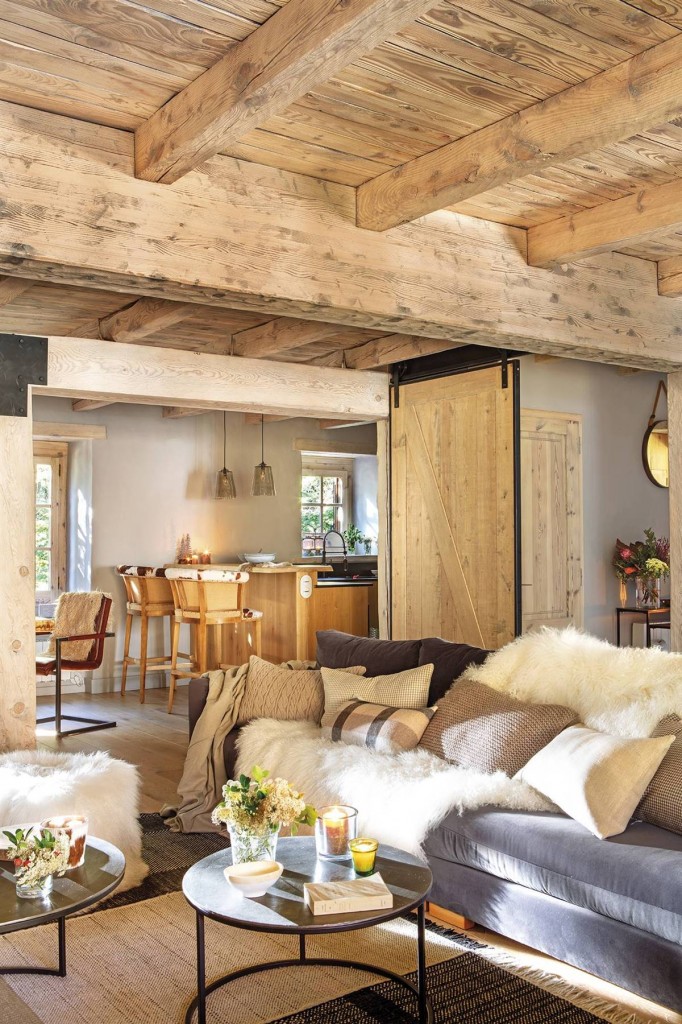
Ben de Lisi is down to earth and an absolute pleasure to interview. The American fashion designer has been showing at London Fashion Week since 1994, won many British Fashion Council awards and created incredible evening dresses (Kate Winslet 2002 Oscars red dress, Helena Bonham Carter and Anjelica Huston among others). Ben de Lisi is also known for his collections with Debenhams and as a judge on Project Catwalk. Below are photos of his home. Ben loves cooking, painting, travelling and all of Truman Capote‘s books.

In a nutshell, what’s your philosophy?
Never overwork a design, keep it pure immaculate and modern. Always always think of the wearer.
What inspired you to get into fashion and design?
Not being able to afford a pair of trousers that I wanted, so my grandmother told me to just make them. The rest is history .
What was the first thing you ever designed?
That would have to be a pair of olive green corduroy drawstring trousers that I thought I desperately needed.
Looking back at your first project what knowledge do you wish you had back then?
I wish I had more patience. I am a very impatient man and I want everything done yesterday pushing yourself like that makes you sometimes loose sight of whats really important.
What is good taste to you?
Well that is a completely subjective question. For me it is really, really being true to yourself and doing whatever that might be with conviction joy and a smile .

How do you transform the ordinary into the extraordinary?
Multiples and great lighting.
What is your idea what the perfect home should feel like?
A haven that protects, nourishes, inspires and keeps you safe.
What’s the most interesting house you have ever seen?
That would be the glass house in Highgate in London… totally extraordinary .
What do you love to do when you are not designing?
Walk my dogs, paint, cook, travel, seek out 1950′s ceramics which I collect and spend time at my house in Ibiza.
A common misperception of you is…
…that I am not approachable and a snob ……….so far off the mark!!!

Your dream project?
Apart from designing for Julianne Moore it would be designing and building another house for my partner and I … but this time from the ground up.
Your favorite books?
I love all of Truman Capote ‘s books.
What does success mean to you?
It means being able to share and give without impediments.
My signature question – what are the most important design elements?
Keep it hard working without it looking overworked. Keep it sexy without it being vulgar. Keep it pure and simple without it being boring and put your entire heart into it and make it look effortless.
photos: Paul Massey, James Royall
|
23 Jan |
Home in New York House Tour
2 comments |
So sieht eine Wohnung in Brooklyn aus.
A look inside a lovely home in Brooklyn.


photos: Ragnar Ómarsson for skona hem via planete deco
|
23 Jan |
Book Love Books
1 comment |

|
22 Jan |
Delicious Kitchen
2 comments |

|
21 Jan |
Home Office I Love Workspace
4 comments |

|
17 Jan |
Interview with Rafael Patalano Architecture, Designer, Interviews
1 comment |
“The most important design elements are lightness and weight.”

The house on the beach with a flowering roof like a big tropical banana leaf. Open plan with light and space inspired by the Brazil’s Indian architecture. I’m sure many of you are aware of the photos below. Casa Folha or The Leaf House has been designed by Mareines + Patalano. Rafael Patalano is one of the both Brazilian architects behind the incredible home located close to Rio de Janeiro in Angra dos Reis. Rafael shares his views on Design Elements today. Enjoy!

What was the moment when you knew you would be an architect?
When small, instead of playing football as all the boys from Brazil, I was already playing house.
Is there something that connects all your projects?
We work with organic shapes, trying not to impose but listening what the land ask.

Looking back at your first project what design knowledge do you wish you had back then?
I wish I had more clear knowledge about the responsibility of the architect in relation with the environment.
What do you enjoy most in your work?
The diversity.

What do you love to do when you are not designing?
I like to travel and get to know new cultures (in a way I’m always designing).
Your favorite artists?
Richard Serra, Anish Kapoor, Jesus Rafael Soto, Abrahan Palatnick, Miró, Picasso…and many others.

Your favorite books?
All of Jorge Luíz Borges in especially Ficciones and Ética de Spinoza.
Your favorite places in Brazil?
Rio de Janeiro, Salvador na Bahia, Ouro Preto em Minas, Pantanal & Amazonia.

What does success mean to you?
Success has something to do with utopia.
What’s your advice to upcoming architects?
Be whole. Work with the wolrd that surrounds you, but always look inside. This way we will have more diversity in the architectual world.
My signature question – what are the most important design elements?
Lightness and weight.
photos: Mareines + Patalano, Leonardo Finotti
|
16 Jan |
My Article in Nash Dom Magazines
3 comments |
Mein Interview mit Marc Newson wurde in der Januar Ausgabe von Nasch Dom veröffentlicht.
My interview with Marc Newson was published yesterday in the January issue of Nash Dom.

photos via my iPhone
|
15 Jan |
Living Room I Love Living room
4 comments |

|
14 Jan |
Interview Escala Arquitetura Designer, Interviews
3 comments |

Recently I had the pleasure to have a cyber sit down with Carolina Escada and Patricia Landau of Rio de Janeiro based design and architecture studio Escala Arquitetura. Carolina and Patricia’s work is the perfect amount of color and modern eclectic. Their favorite book is… the Vitra catalogue. Enjoy the interview. I sure did!
How would you describe your style?
We value flexibility and integration of spaces and we end up having a more relaxed feel in our projects. We try not to have a definite style of decoration. The soul of the project comes from each client, but we really like coloring: a wall, a bookcase or cabinet. And we look especially at woodworking, seeking to design interesting details.
When did you first realize that you wanted to be an interior designer?
Both of us always were interested in it since we were teenagers. We were doing our room projects from the age of 15, and the confirmation came when we started the Architecture Course, which is where we started doing projects together.
Some designers believe that the first piece for any room is the rug or a painting that sets up the colors palette. What is your first source of inspiration?
Due to the fact that we are architects before being interior designers, the inspiration can come from many places. The view is very important for us. We usually design the room’s angle based on that. The client’s references are the most important. We usually start there. We interview our clients. We even ask what their favorite trip was. With all that information, we start with the furniture, and the rest comes later.

How do you achieve a good scale? Scale is a really interesting and difficult topic.
You have to think about every aspect of the project. Usually it is a matter of proportion. It comes from experience, from our own view of the world. If you have an apartment that has an enormous ceiling height and very tiny furniture, it will never work. Instead, if you use a few and big furniture in a small room you make the space bigger! But you can play with scale, you can do very interesting things if you don´t take it too seriously! If it works for you, then there’s you scale.
What is the biggest mistake people make when they decide to decorate their own homes without the guidance of a designer?
You have to visualize the room as a whole. Some people usually start buying thing they like without wondering if it will all work together. And in the end it becomes a carnaval. You may like each piece individually but that doesn´t mean they will make a good combination together.
If you had no limits, what would be your dream project?
To design a hotel for a client that would allow us to let our imagination fly.

What do you love to do when you are not designing?
Family time and discovering the art world. Art loving – is that a word?
Your favorite books?
The Vitra catalog, it is definitely good reading. Interior design and architecture books from Brazil and all over the world.
Your favorite places in Brazil?
Rio de Janeiro – our city that we love love love. Angra dos Reis, Buzios, Fernando de Noronha, Jericoacora…. it is a long list…

What is the perfect gift for you?
A book about contemporary art.
My signature question – what are the most important design elements?
Color, balance and scale.
photos: MCA Estúdio
|
12 Jan |
Windsurf Sail Designer’s Home in Maui Architecture, Houses
7 comments |
Das Haus des Windsurfsegel-Designers Robert Stroj vom Neil Pryde Design Studio. Architektur: Dekleva Gregoric
The house of windsurf sail designer Robert Stroj of Neil Pryde design studio. Architecture: Dekleva Gregoric


Willkommen auf Design Elements - mein Blog über Interior Design, Inneneinrichtung und Inspiration.